15/20
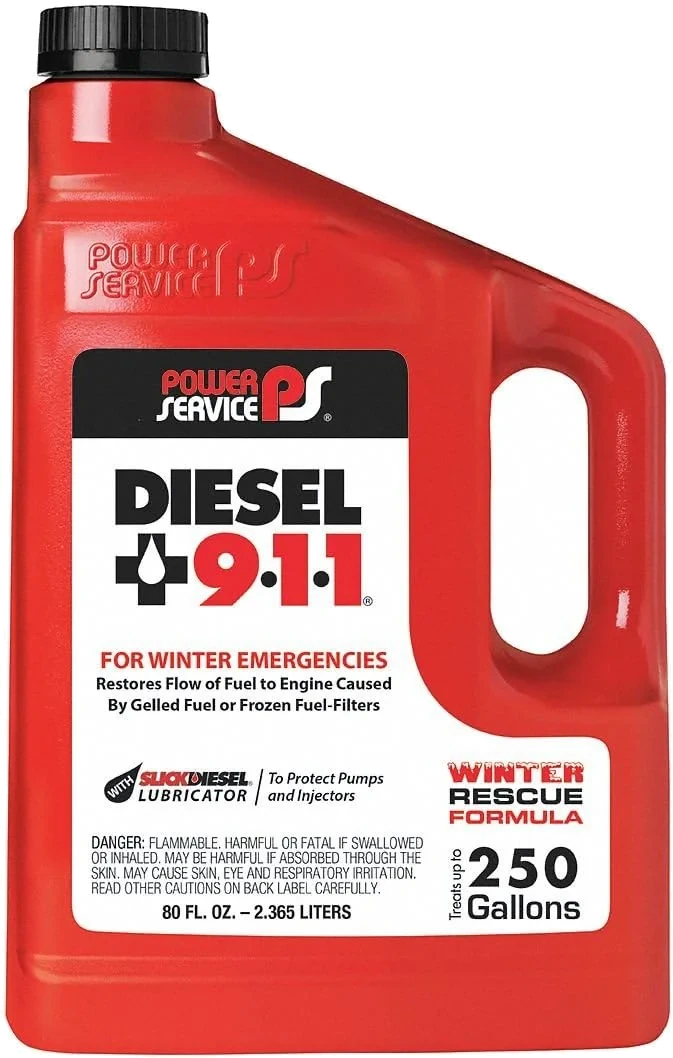
#1 — Power service diesel 911, 80 oz
The rescue bottle for gelled fuel. When the preventative didn't happen, this is the call.
Buying guide
Three additives ranked and scored. The honest difference between preventing gelled fuel and rescuing it — and which bottle belongs in your side box.
Updated October 9, 2026
Here is the working rule for this guide: gelled fuel is a parking-lot emergency, not a roadside inconvenience. Diesel's paraffin wax crystallizes as temperatures drop, and once it clogs your filters you are not driving anywhere — no matter what the preventative bottle promises. This guide scores three additives on cold-weather efficacy, ease of dosing at the pump, and buyer evidence of surviving real winters — and is honest about the fact that no single bottle does both jobs.
Research-based. We did not test these hands-on. Scores come from published specs and verified buyer reviews, weighted toward anti-gel efficacy evidence, alcohol-free formulas, and buyer evidence of cold-weather reliability. Prices are approximate, in CAD, and change often — check the live listing before you buy.
The rescue bottle for gelled fuel. When the preventative didn't happen, this is the call.
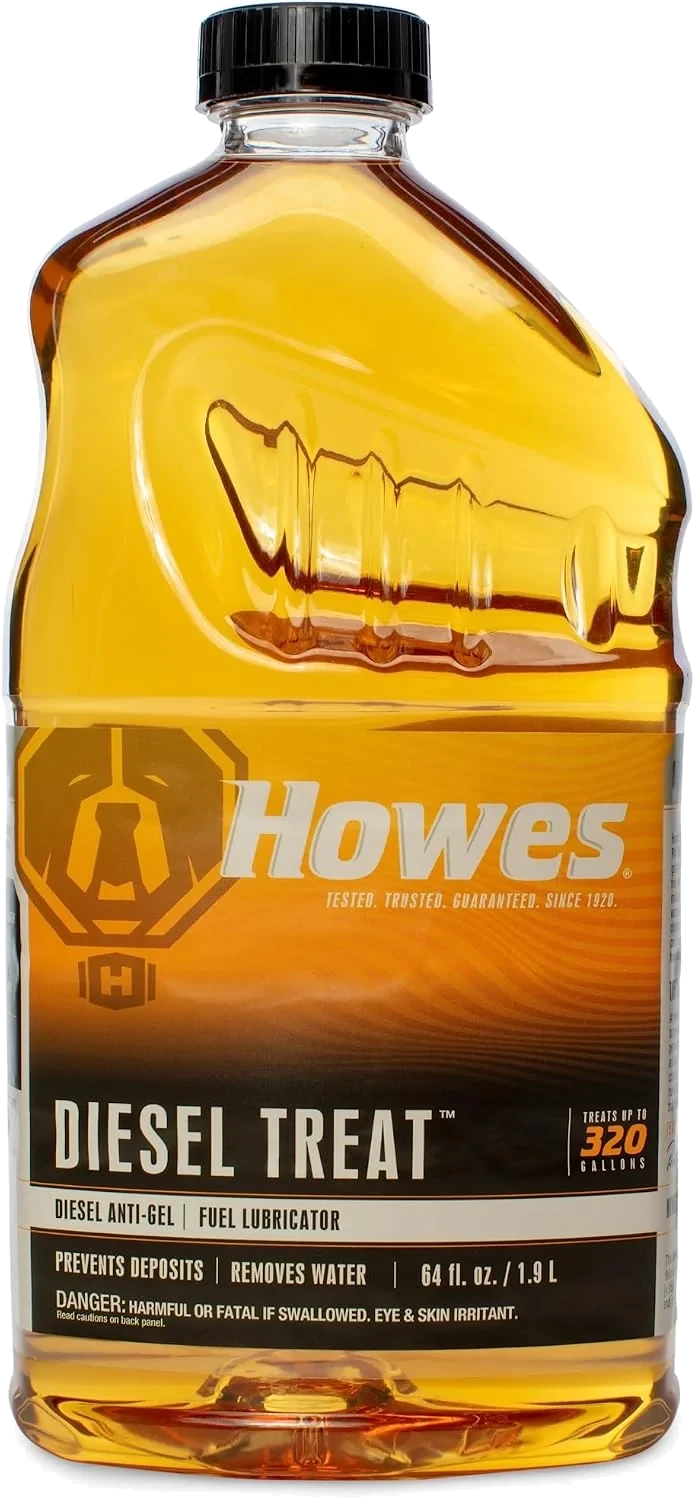
The preventative anti-gel. Dose per fill-up before the cold snap, not after.
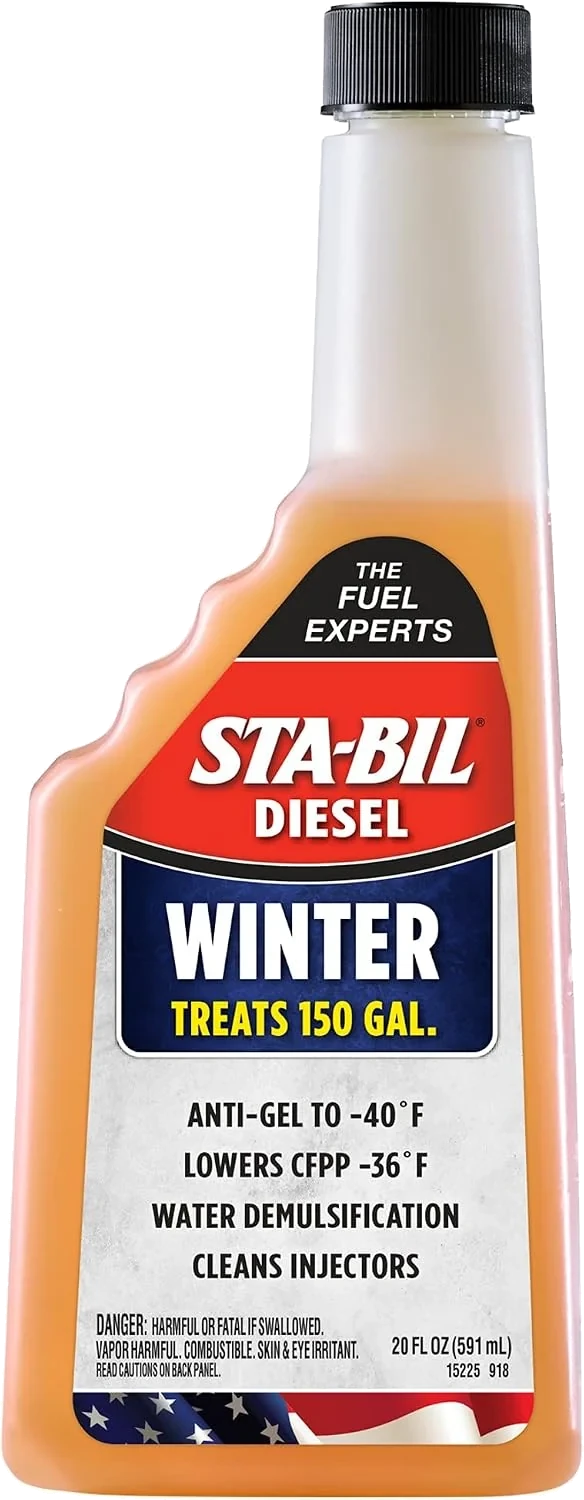
Compact anti-gel for the side box. Prevents gelling; won't rescue gelled fuel.
Anti-gel is dosed BEFORE the cold. Once the fuel has gelled, the preventative bottle does nothing — that is what the rescue bottle is for.
The category splits in two and the bottles do not cross over. A preventative anti-gel (Howes, STA-BIL) lowers the temperature at which wax crystals form — it has to be in the tank before the cold arrives, ideally dosed at fueling. A rescue formula (Diesel 911) is built for the morning after: its advertised purpose is restoring flow to already-gelled fuel and de-icing a frozen fuel filter. Buying one bottle and expecting it to do both jobs is the most common mistake in the category.
The second honest point: winter-blend diesel at the pump is not a guarantee. Northern truck stops cut #1 diesel or kerosene into the blend in cold months, but the blend varies by region, station, and week — and you will cross from a warm region into a cold snap on a single tank. Dosing your own preventative is the only part of the equation you control. For the parking side of winter, see our idling alternatives guide — idling all night to keep fuel warm is the expensive way to do this job.
The right chemistry for the job. Decide which problem you're buying for: prevention (dose before the cold, every fill-up in winter) or rescue (gelled fuel, frozen filter, dead truck). The honest answer for most drivers is one of each — the rescue bottle sits in the side box all winter and you hope never to open it.
Alcohol-free and water-demulsifying. Water in the fuel system is what freezes your filters first, and some additives handle it by emulsifying water into the fuel with alcohols or solvents — harsh chemistry for injectors and pumps. The better formulas demulsify: they push water out of the fuel instead of mixing it in. Howes is the alcohol-free demulsifier in this guide, which is part of why it leads the preventative side.
Lubricity for ULSD. Ultra-low-sulfur diesel has less natural lubricity than the old stuff, and injectors and pumps feel it over a long winter. A preventative that adds lubricity (Howes does, per its published formula claims) is doing two jobs per dose — anti-gel plus wear protection.
Bottle size vs. your routine. A 64 oz jug lives in the side box and doses a lot of fill-ups; a 20 oz bottle is the compact option that fits anywhere and is easy to grab at the pump. STA-BIL's 20 oz bottle advertises treating up to 250 gallons and gelling protection down to −40°F — the side-box-friendly pick if you want prevention in the smallest footprint.
| Product | Score | Cold performance | Value | Best for |
|---|---|---|---|---|
| Diesel 911 | 15/20 | 13 | 13 | Rescue bottle (gelled fuel) |
| Howes Diesel Treat | 14/20 | 12 | 16 | Everyday preventative |
| STA-BIL Diesel Winter | 13/20 | 15 | 12 | Compact side-box bottle |
Buy the system, not the bottle. Howes Diesel Treat (14/20) is your preventative: dose it before the cold snap, not after, and it leads this guide on value and build quality with its alcohol-free, water-demulsifying formula plus added lubricity for ULSD — Howes even advertises a winter tow guarantee behind it. Power Service Diesel 911 (15/20) is the highest scorer and the only rescue bottle here: when prevention didn't happen and the fuel has gelled, it's the one built to restore flow. STA-BIL Diesel Winter (13/20) is the compact alternative — the 20 oz bottle fits anywhere and leads on cold-performance score, a solid preventative if you want the smallest footprint in the side box. Whichever preventative you run, start dosing before the first real cold snap of the season, not the week after. Pair this with our winter driving guide for the full cold-weather kit.
Research-based scoring: we did not test these hands-on. Every anti-gel goes through the same 20-point rubric — published specs and manufacturer-advertised claims first, then verified buyer evidence of cold-weather reliability, with value weighted last. Read the full methodology →
Different jobs. Anti-gel (Howes, STA-BIL) is prevention: it lowers the temperature at which wax crystals form and must be in the tank before the cold. Diesel 911 is rescue: it's built to restore flow to already-gelled fuel and de-ice a frozen filter. A preventative won't un-gel fuel; a rescue bottle isn't a daily dose.
At fueling, before the cold. Dosing into the tank as you fill mixes the additive through the fuel, and it has to be there before temperatures drop. Adding it to a tank that's already cold-soaked and waxing is too late.
No. Once wax crystals have formed and clogged the filter, a preventative anti-gel does nothing — that's the rescue bottle's job. Diesel 911's advertised purpose is exactly this: restoring flow to gelled fuel.
Treat anyway when you're heading into real cold. Winter blend varies by region, station, and week, and you'll cross from warm regions into cold snaps on a single tank. Your own dose is the only part of the equation you control.
It's the expensive way to do the job — roughly 30–40L of diesel for a 10-hour night, plus anti-idling restrictions in many jurisdictions. A dosed tank plus a bunk heater or heated blanket setup beats idling on cost every time. See the idling alternatives guide.
Deal alerts
Real drops on the gear you actually want. No fake sales, no pressure tactics.
— Marcus
Disclosure: The Driver Gear is reader-supported. When you buy through links on this page, we may earn an affiliate commission at no extra cost to you. Scores reflect our editorial comparison methodology — how we test.