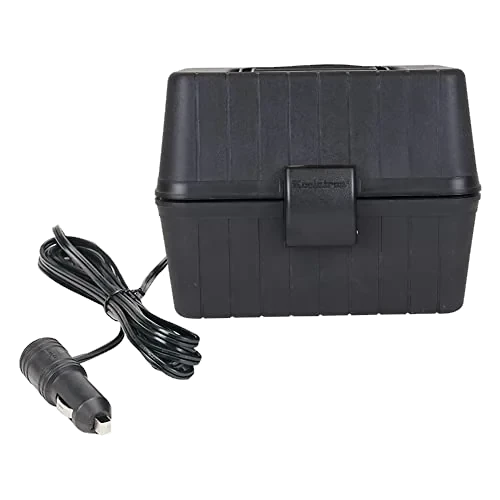
15/20
Koolatron 12V Heating Lunch Box Stove (15/20)
Our best overall pick for hot meals on the road. Plugs into 12V and heats while you drive.
Guide
Truck-stop food is expensive and terrible for you. Here's how drivers actually cook in the cab.
Updated October 5, 2026
The math is brutal: $15–20 per truck-stop meal, twice a day, five days a week. Cooking in the cab isn't a hobby — it's a pay raise you give yourself.
Our best overall pick for hot meals on the road. Plugs into 12V and heats while you drive.
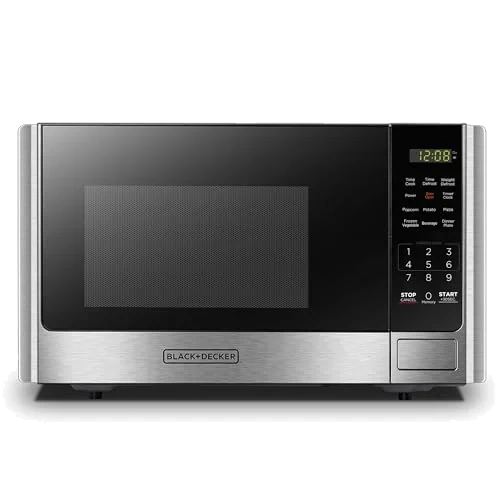
A 700W compact microwave in stainless steel that fits cab life. Scored 14/20 in our rankings.
The lunch-box stove plugs into 12V and slowly heats food while you drive — load it at your morning break, eat hot at noon. The microwave needs an inverter (see 12V outlet safety), but it's the fastest way to a hot meal at a rest stop.
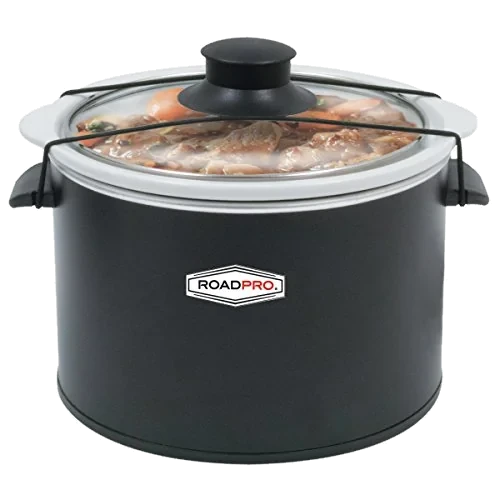
Set it in the morning, eat real food at the rest stop. A 12V slow cooker with glass lid, built for the cab.
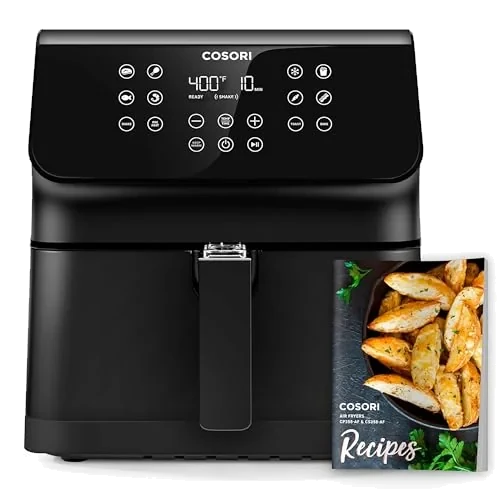
A 2.1-quart mini air fryer for the cab, ships with a recipe booklet. Scored 12/20 in our rankings.
A 12V slow cooker turns cheap cuts into real dinners while you roll. A compact air fryer (via inverter) crisps what the microwave makes soggy. Both reward a little planning — which is the actual secret to eating well on the road.
The best truck-stop meal is the one you didn't buy.
12V coffee makers exist and work, slowly. Many drivers prefer a simple pour-over setup with hot water from a 12V kettle — faster, better coffee, less to break. Whatever you choose, making your own coffee saves staggering money over a year.
Cooking appliances are the hungriest 12V loads in the cab. Add up your simultaneous watts and size your inverter with headroom — the inverter size calculator walks through it.
A 12V lunch-box stove. Plug in, load food, drive, eat hot. No inverter needed.
Yes, with a properly sized inverter wired to the batteries. Not from the 12V outlet.
Dramatically. Even basic home-style meals cost a third of truck-stop food.
Deal alerts
Real drops on the gear you actually want. No fake sales, no pressure tactics.
— Marcus
Disclosure: The Driver Gear is reader-supported. When you buy through links on this page, we may earn an affiliate commission at no extra cost to you. Scores reflect our editorial comparison methodology — how we test.