15/20
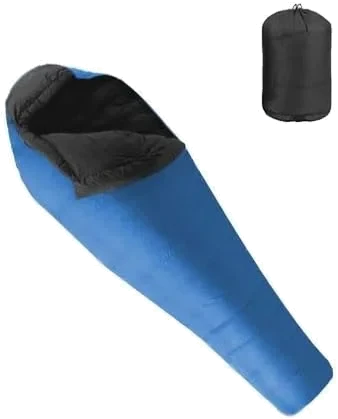
Yanes yukon −30°C (-22 °F) winter mummy sleeping bag (15/20)
A minus-30 mummy bag for the nights the heater can't cover. Packs smaller than you'd think.
Guide
When the highway closes at -35°C, this is what keeps you alive until it reopens.
Updated October 5, 2026
Every winter, drivers get caught between closures on stretches with no services and no cell signal. The ones who are fine had a kit. The ones who weren't are a news story. This is the kit.
Sleeping bag rated to -30°C. Not a blanket — a real winter bag. If your bunk heater dies at 3am, this is the difference between uncomfortable and dangerous. See how three winter bags compare, scored out of 20 →
A minus-30 mummy bag for the nights the heater can't cover. Packs smaller than you'd think.
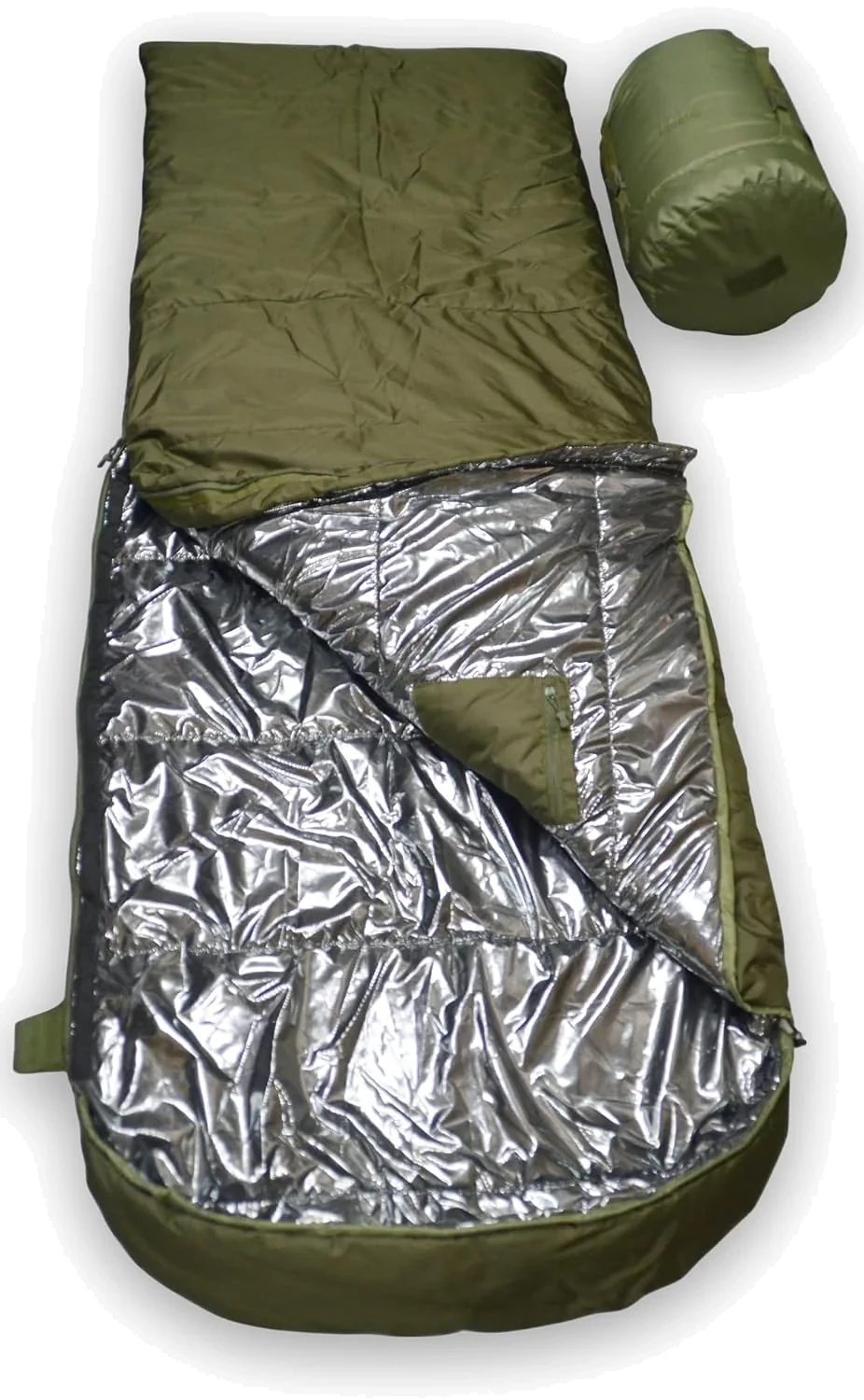
Roomy alternative. Space to turn over, which matters more than it sounds at 3 a.m.
Gelled fuel is the #1 winter roadside killer. Carry anti-gel treatment before you need it — once fuel gels in the filter, additive in the tank won't save you.
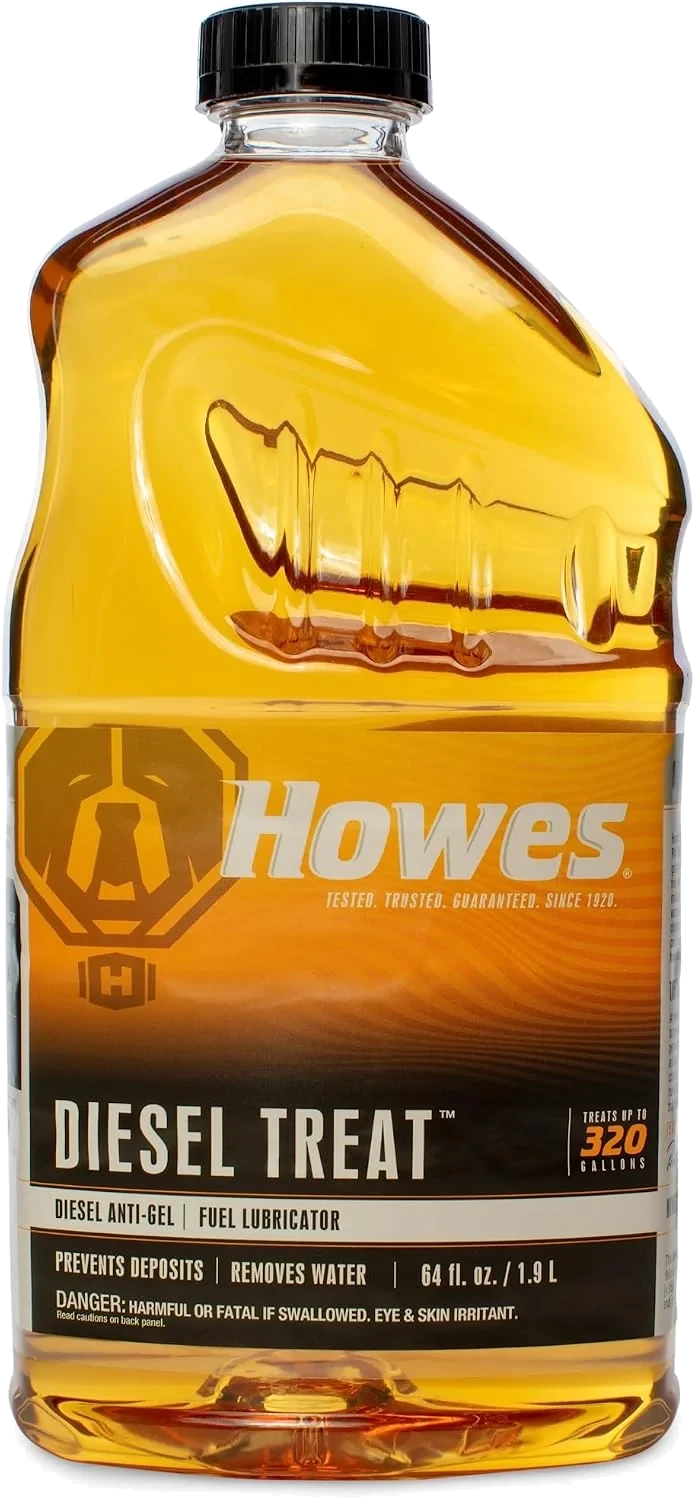
The preventative anti-gel. Dose per fill-up before the cold snap, not after.
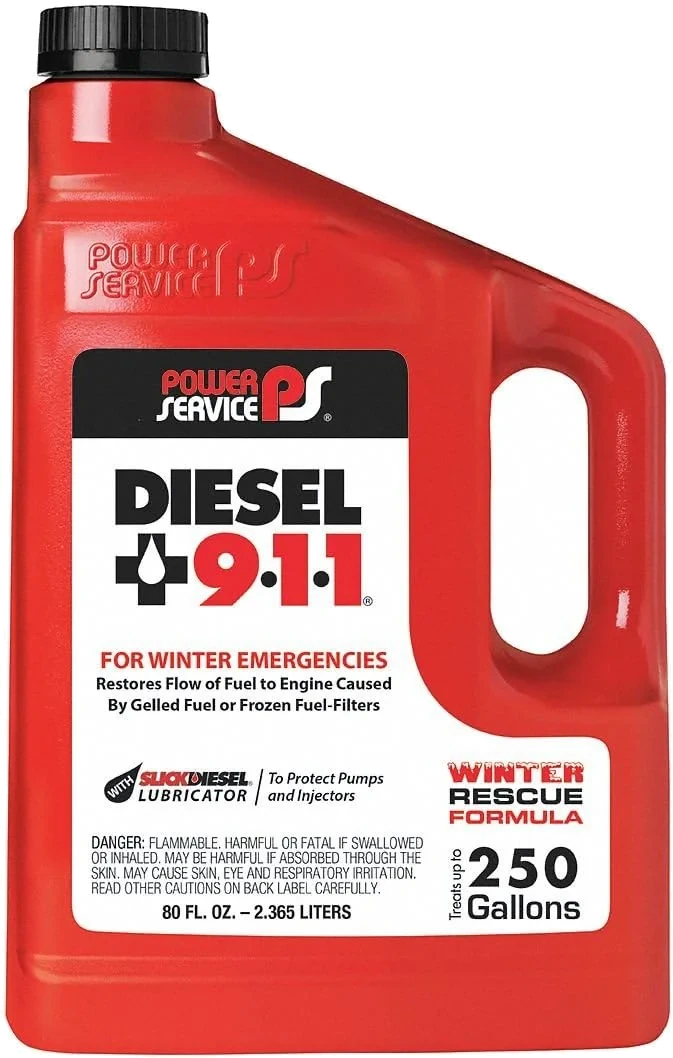
The rescue bottle for gelled fuel. When the preventative didn't happen, this is the call.
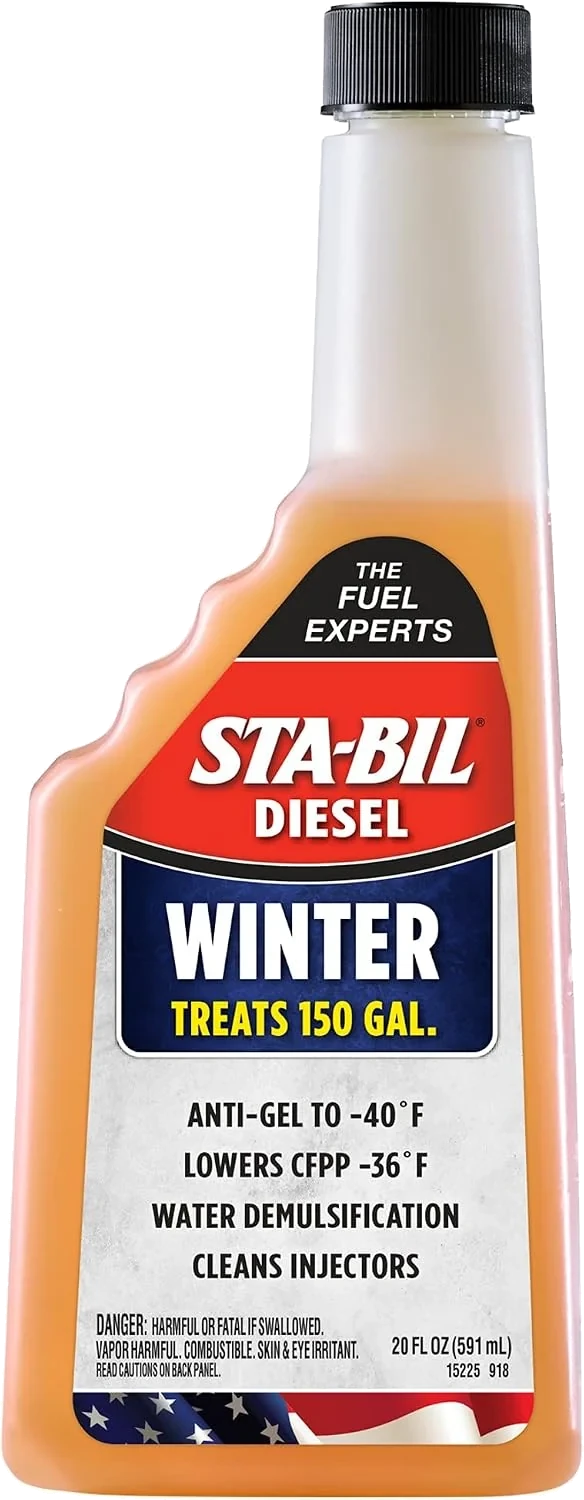
Compact anti-gel for the side box. Prevents gelling; won't rescue gelled fuel.
The kit you never use is the cheapest insurance you'll ever buy.
Water bottles (obviously), but also: wiper fluid (use winter-rated), any food with high water content left in an unheated box, your phone if left on the dash, and DEF if the tank heater fails. Keep water inside the sleeper, keep the phone in your pocket, and know where your block heater plug is before you need it.
A block heater is mandatory equipment in real winter — plug in below -20°C if you want the engine to turn over in the morning. Battery warmers help, but a healthy battery with clean terminals matters more than any accessory. If your batteries are 4+ years old going into winter, replace them in October, not January.
-30°C sleeping bag, anti-gel treatment, flashlight + batteries, high-calorie food, water, warm layers, and a charged power bank.
Treat every tank in winter before cold hits. Carry emergency de-geller, but prevention beats rescue.
Below -20°C at minimum. Many drivers plug in below -15°C for easier starts.
Deal alerts
Real drops on the gear you actually want. No fake sales, no pressure tactics.
— Marcus
Disclosure: The Driver Gear is reader-supported. When you buy through links on this page, we may earn an affiliate commission at no extra cost to you. Scores reflect our editorial comparison methodology — how we test.