Diesel anti-gel
Treat every tank before the cold hits, not after. Once fuel gels, additives can't save you.
Category hub · Winter Gear
Updated October 5, 2026
Winter doesn't negotiate. A gelled fuel line at -35°C on the Yellowhead isn't an inconvenience — it's a survival situation. This page covers what matters, ranks the picks, then lets you scan everything.
Treat every tank before the cold hits, not after. Once fuel gels, additives can't save you.
A diesel air heater sips fuel and keeps the cab warm without idling. Pays for itself in one winter.
A snow cover saves 20 minutes of scraping every morning. That's real money over a season.
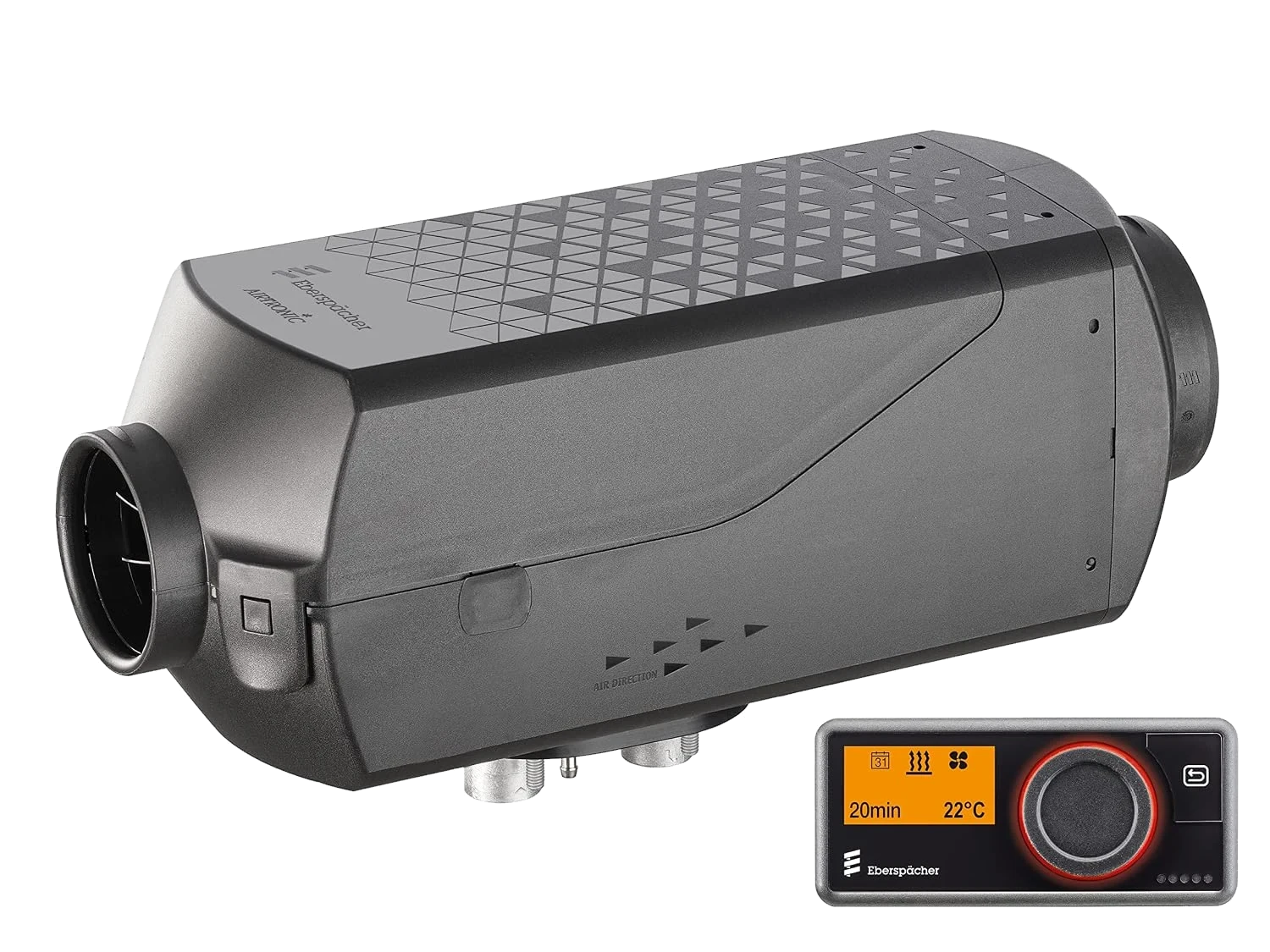
Top-tier pick at 17/20. The one to beat in winter gear.

A windshield cover that actually stays put. Pull it off in the morning, drive.
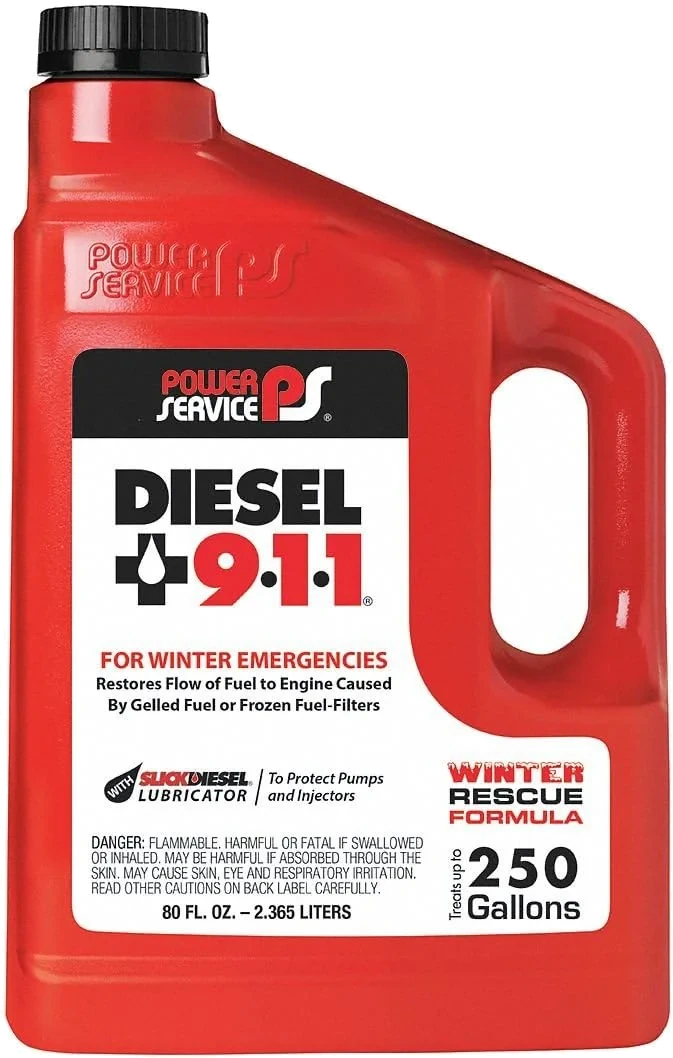
The rescue bottle for gelled fuel. When the preventative didn't happen, this is the call.

The no-battery backup plan: air-activated warmers good for up to 10 hours a pair. Toss a pair in every coat pocket before winter.
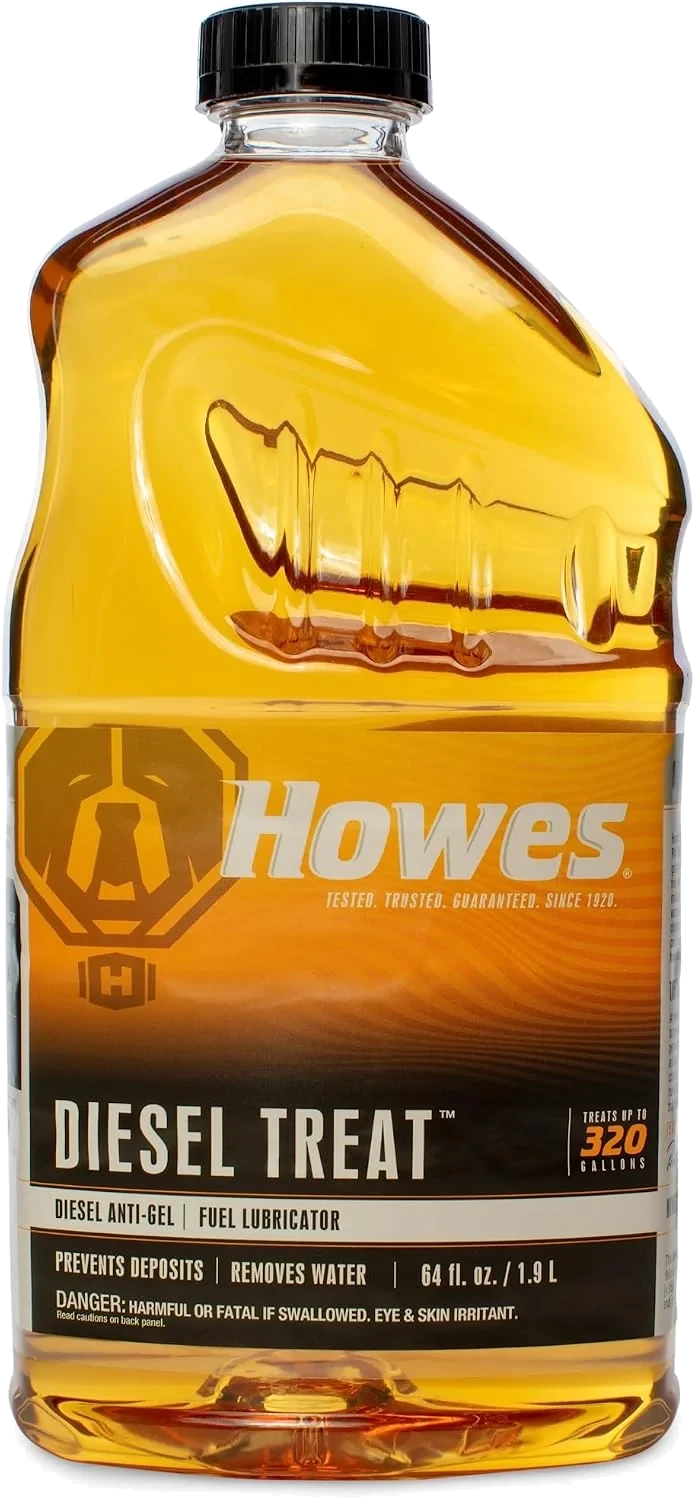
The preventative anti-gel. Dose per fill-up before the cold snap, not after.
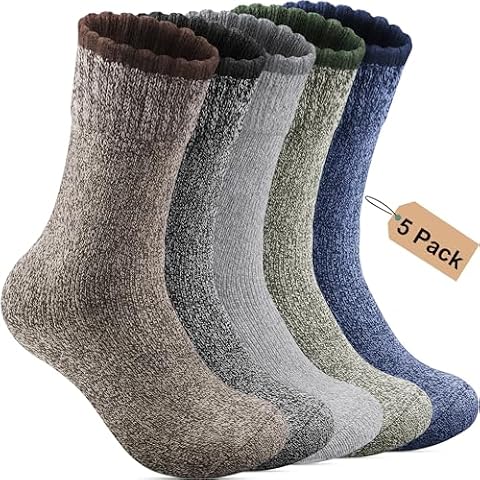
Five pairs of heavyweight merino-blend thermal socks — thick, warm, and cheap enough to keep a spare pair in the cab at all times.

Four layers between the glass and the storm. Heavier cover, better hold in wind.
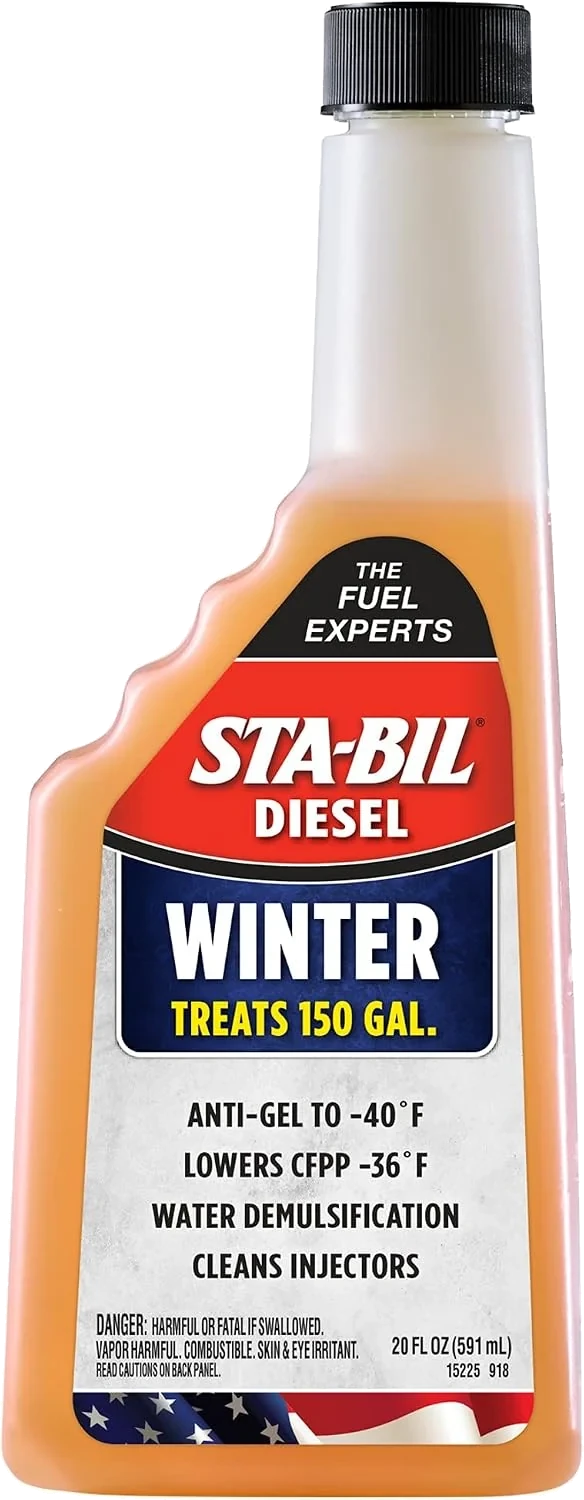
Compact anti-gel for the side box. Prevents gelling; won't rescue gelled fuel.
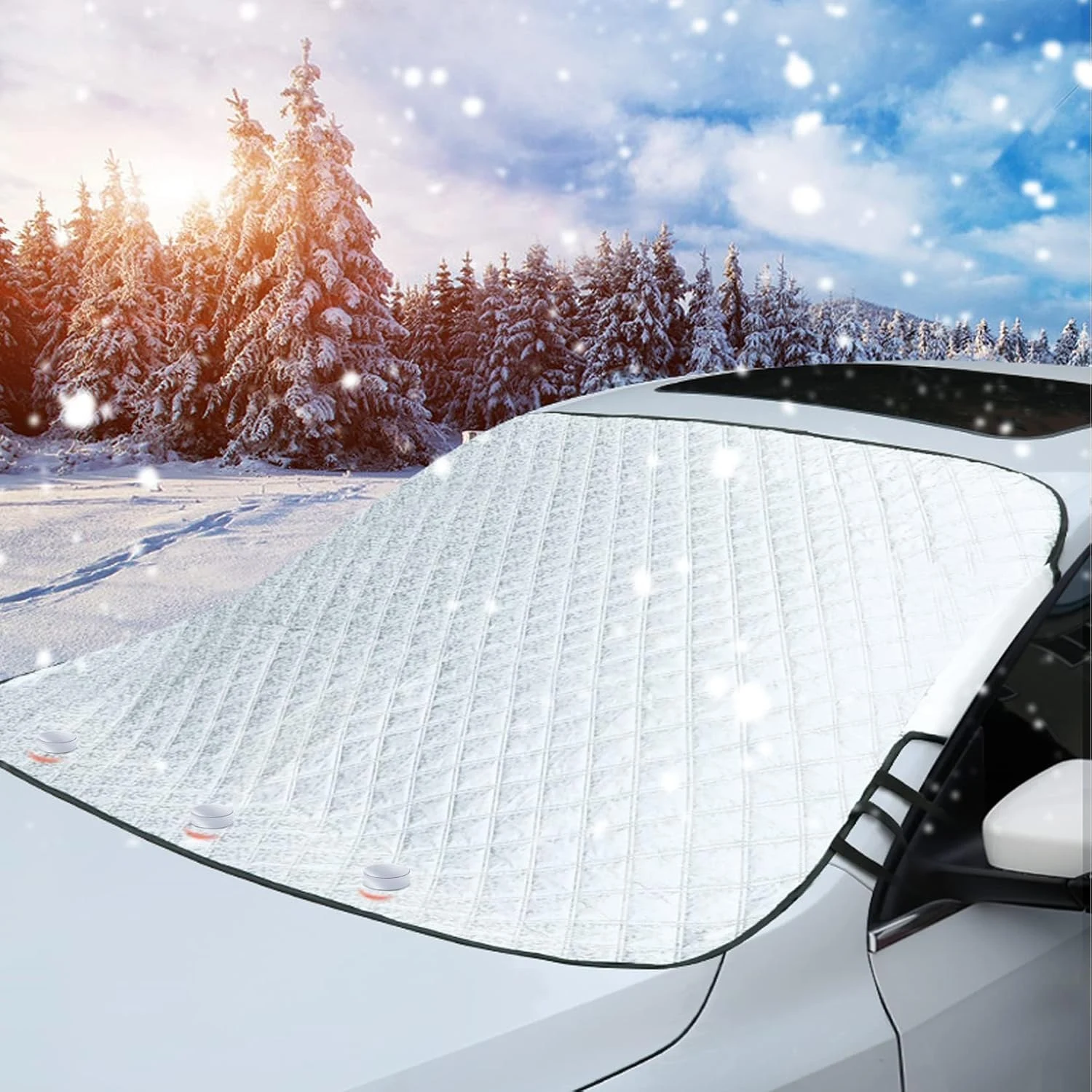
Cover on at night, pull it off and drive. The fifteen-minute morning, given back.
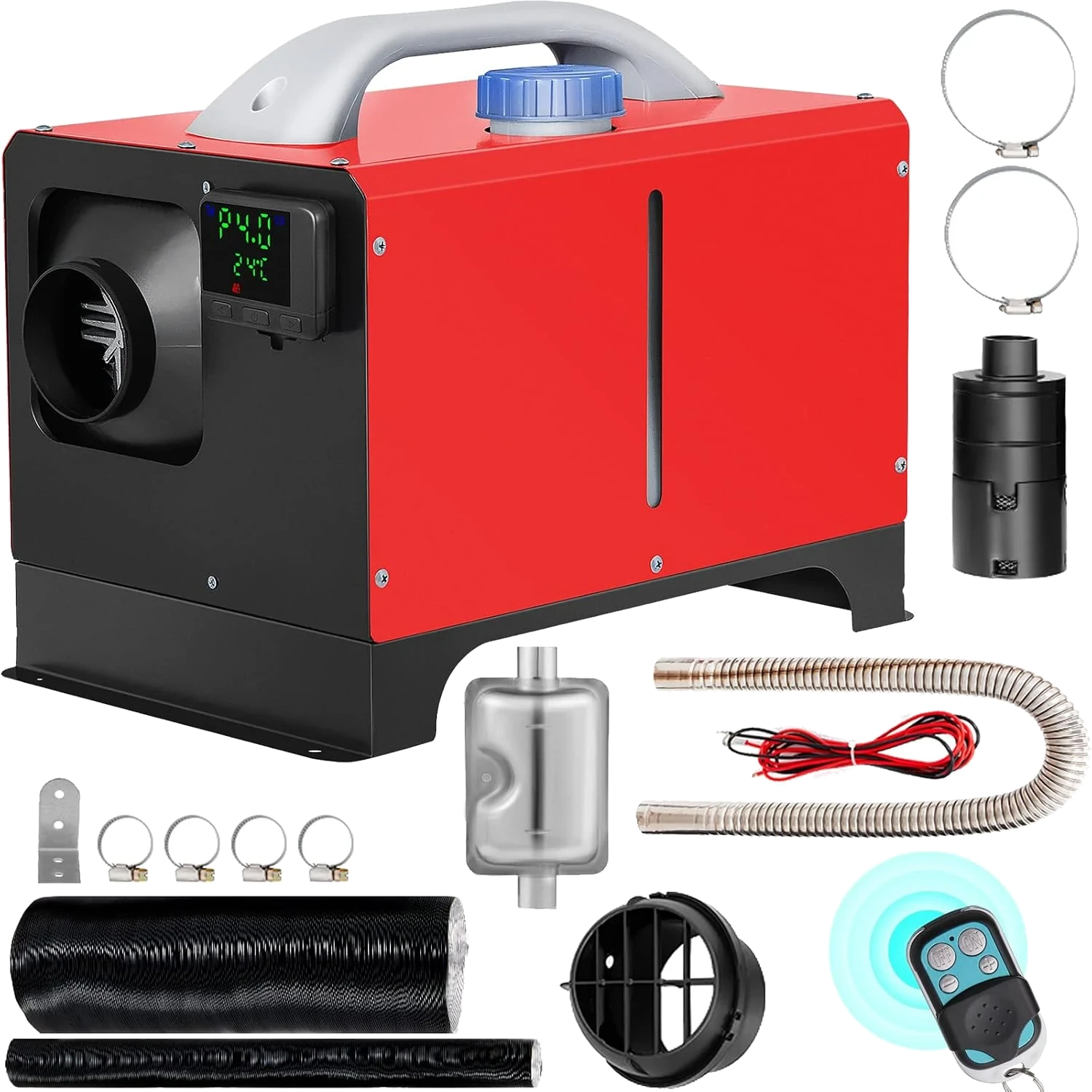
An 8kW diesel air heater in one box. Real heat off-grid — install it right or don't install it.
Before the temperature drops below -10°C consistently. Don't wait for the first gel — by then it's too late.
A diesel air heater uses a fraction of the fuel. Run the numbers on our winter idling payback calculator.
— Marcus
Disclosure: The Driver Gear is reader-supported. When you buy through links on this page, we may earn an affiliate commission at no extra cost to you. Scores reflect our editorial comparison methodology — how we test.