
Guide
The cold-start field guide
Why a parked diesel refuses at −30°C — and the night-before and morning-of sequences that get it turning.
Updated October 20, 2026
Every January morning on the Yellowhead, along northern Ontario's Highway 11, and in every Prairie yard, the same scene repeats: a driver turning a key and listening to a starter grind slower and slower until it stops. The truck is not broken. It is cold — and cold is a solvable problem, but it is solved the night before, not in the dark with the key already turned.
Why diesels refuse: the three-front problem
The batteries fade. A lead-acid battery delivers roughly a third less cranking power at −18°C than on a mild day, and closer to half at −30°C. Four batteries cranking as a team are only as strong as the weakest one, which is why a battery set that survived October on reputation quits in the first real cold snap.
The oil thickens. Cold oil resists everything — the starter has to drag the engine through it, so the cranking load rises exactly as the available power falls. The right winter viscosity grade, per the engine maker's cold-weather spec, is the quiet half of every easy cold start.
The fuel turns. Diesel carries paraffin wax that crystallizes as the fuel cools past its cloud point; the crystals plug the filter and starve the engine even if it cranks. That front is covered in the best diesel anti-gel guide — prevention dosed at fill-up, the rescue bottle after the fact. A truck can crank perfectly and still never fire on gelled fuel.
The night-before protocol
Cold starts are won at shutdown:
- Plug in the block heater whenever the forecast drops below about −15°C to −18°C. A timer set for roughly three hours before departure warms coolant and oil as effectively as all night on the plug. Block heater outlets are standard at Canadian truck stops and yards — park where the cord reaches.
- Park out of the wind when there is a choice. Wind strips heat from the block and the batteries all night; a sheltered row or the lee of a building is worth real degrees by morning.
- Shut down on treated fuel and a full-ish tank. Anti-gel works when it is dosed before the cold, and a full tank leaves less room for the condensation that feeds water into the fuel system.
- Bring the boost pack inside. A lithium pack left in a −30°C cab has the same cold problem as everything else electronic. It sleeps in the heated sleeper, charged.
- Load-test the batteries in October. Not in January, on the shoulder, by ear. A weak battery found in the yard is a purchase; the same battery found at −35°C is a service call.
The shutdown side of this — what to move, plug in, and check — is the freeze patrol in what freezes in a parked cab overnight.
Cold starts are won at shutdown, not at the key.
The morning sequence
- Unplug last. Everything else first — pre-trip, lights, paperwork — and the block heater cord comes out just before the start attempt, keeping every degree the heater bought.
- Cycle the heat. Key to run, let the glow-plug or intake-heater cycle finish completely, then repeat it once or twice in deep cold before cranking. Each pass puts more heat into the cylinders.
- Crank in bursts. About 30 seconds of cranking, then a couple of minutes of rest for the starter. Long, hopeless cranks overheat the starter and flatten the batteries without improving the odds.
- Read the attempt. Cranking speed that falls off fast points at the batteries. Strong cranking with no fire points at fuel or air — gelled filter, or air that will not build because the lines froze (see the frozen air lines guide). A single click or nothing at all points at connections and grounds, which corrode quietly all fall.
- Skip the ether debate. Many modern diesels prohibit starting fluid — it can detonate against glow plugs or an intake heater. The manual decides, and on a modern truck the answer is usually no.
- Let it warm honestly. Once it fires, a few minutes at idle while oil pressure and air pressure build — air first, since the brakes need it — then an easy roll-out. A cold engine worked hard immediately is a worn engine.
Boost packs and cables: the rescue layer
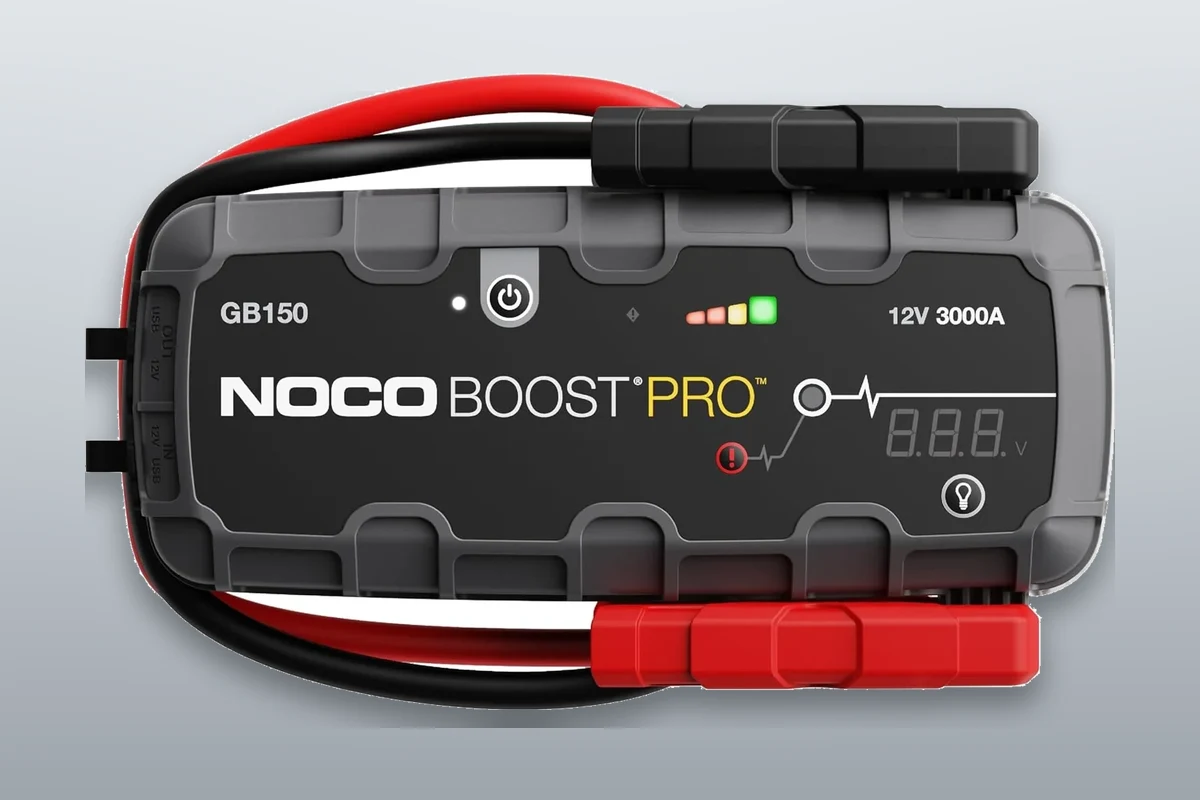
When the batteries are tired rather than dead, a diesel-rated boost pack is the fastest honest rescue — serious current, no second truck required. The NOCO Boost Pro GB150 is the big unit built for diesel starts. Check price on Amazon. Cables still earn their place as the no-battery backup when a running truck is nearby. The full ranked rundown lives in the jump starters for diesel trucks guide.
14/20
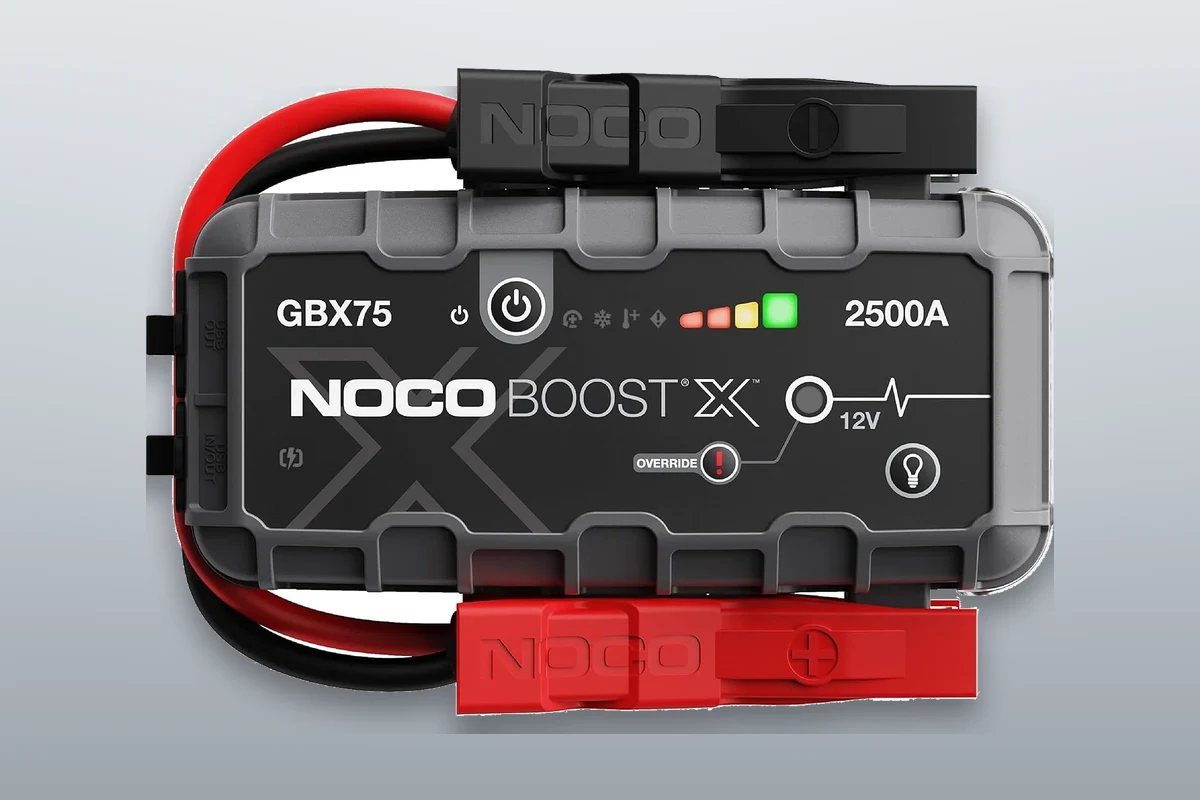
NOCO Boost X GBX75 (14/20)
The compact NOCO for when the GB150 is more than you need. Same name, smaller punch.
16/20
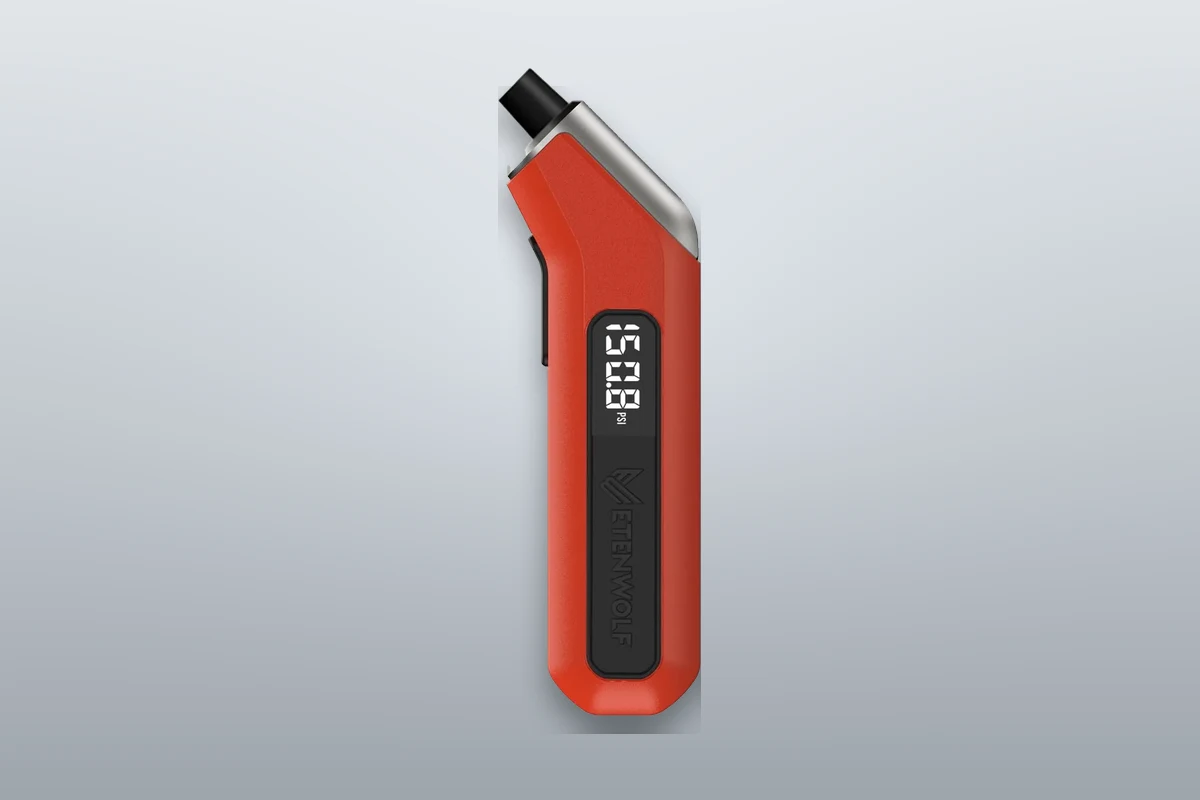
Etenwolf T300 Tire Pressure Gauge (16/20)
Digital gauge calibrated to ANSI B40.7 Grade 2A — ±0.5% of span across 3–200 PSI, and it stays accurate in a cold snap when cheaper gauges drift.
The gauge earns its spot in the start sequence because the pre-trip follows the start: tire pressure falls roughly 7 kPa (about 1 psi) for every 5–6°C the temperature drops, so a truck that starts at −30°C is rolling on underinflated tires until somebody checks them cold. The tire pressure guide covers the math.
When it still won't start: call it early
There is a point where persistence becomes damage — a starter cooked by an hour of cranking, batteries flattened past recovery, fuel lines full of wax that no amount of cranking will clear. The honest sequence: confirm the fuel is not gelled (filter first), confirm the pack is warm and the connections are clean, and if two disciplined attempts fail, make the service call while the batteries still have something left for the mechanic to work with. A warm shop thaws in hours what a yard cannot thaw at all. And the heat plan for the wait matters — a driver sitting in a dead truck at −30°C needs the bunk heater or the emergency layer from the cab heat without idling guide, not just a phone call.
More winter preparation lives in the winter gear hub and the winter driving guide.
Get the Winter Cab Checklist
The cold-start sequence is one page of the free Winter Cab Checklist — the freeze patrol, the start-up sequence, and the layering plan on one phone-friendly page, built for a dark yard at 5 a.m.
Get the Winter Cab Checklist
The freeze patrol, the cold-start sequence, and the layering plan on one page — free by email. Print it, screenshot it, keep it in the visor.
The signup form loads here — click once and it appears.
Questions, answered
Why won't a diesel truck start in the cold?
Cold attacks from three directions at once: the batteries deliver roughly a third less cranking power at −18°C (closer to half at −30°C), the oil thickens and raises the cranking load, and diesel fuel approaches its cloud point and starts plugging the filter with wax. Any one of the three can stop a start; deep cold usually sends all three together.
How long should a block heater stay plugged in?
Two to four hours covers nearly every Canadian winter morning — a timer set for about three hours before departure does the same job as all night on the plug, for a fraction of the power. Below −15°C to −18°C, plugging in stops being optional on most diesels.
Does cycling the glow plugs or intake heater help?
Yes. In deep cold, turn the key to run, let the glow-plug or intake-heater cycle finish, and repeat it once or twice before cranking. Each cycle puts more heat into the cylinders, and the first crank attempt gets a warmer, easier engine.
How long should you crank before resting the starter?
Crank in bursts of about 30 seconds, then rest the starter for a couple of minutes between attempts. Long continuous cranking overheats the starter and drains the batteries without making the engine any more likely to fire — heat and charge are the two things a no-start morning is shortest on.
Can you use ether or starting fluid on a cold diesel?
Only if the engine manufacturer allows it. Many modern diesels prohibit starting fluid outright — it can detonate against glow plugs or an intake heater and do real damage. Check the manual before the can comes out; on a modern truck the answer is usually no.
Will a boost pack start a cold diesel?
A diesel-rated pack, yes — the big units are built for the current a cold diesel demands. Two conditions: the pack itself has to be warm (a frozen lithium pack has the same cold problem as a frozen phone, so it lives in the heated sleeper), and the batteries have to be weak, not dead-short or disconnected. A pack rescues tired batteries; it does not fix gelled fuel.
Related
Deal alerts
Price drops, without the noise.
Real drops on the gear you actually want. No fake sales, no pressure tactics.
Disclosure: The Driver Gear is reader-supported. When you buy through links on this page, we may earn an affiliate commission at no extra cost to you. Scores reflect our editorial comparison methodology — how we test.