16/20
12V heated blanket (16/20)
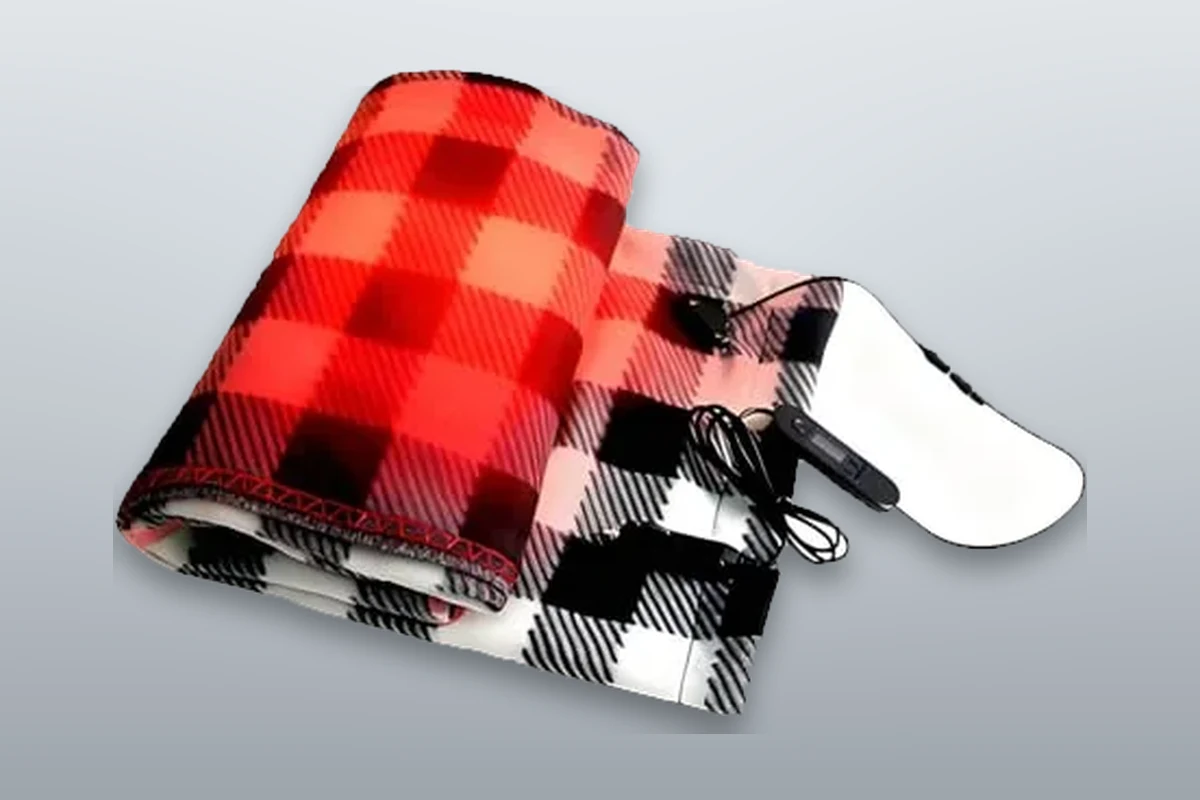
A 12V heated blanket is the cheapest honest fix for a cold bunk. The survival-essential pick.
Guide
Warmth on 12 volts. What actually heats, what just glows, and why cheap seat covers die.
Updated October 20, 2026
Heating a whole sleeper on 12V is a losing battle against physics. Heating yourself on 12V is easy. That's the whole philosophy: blanket on you, not a furnace for the cab.
A 12V heated blanket is the cheapest honest fix for a cold bunk. The survival-essential pick.
Digital temp control and a timer on a 12V throw. Set it, sleep, don't drain the batteries.
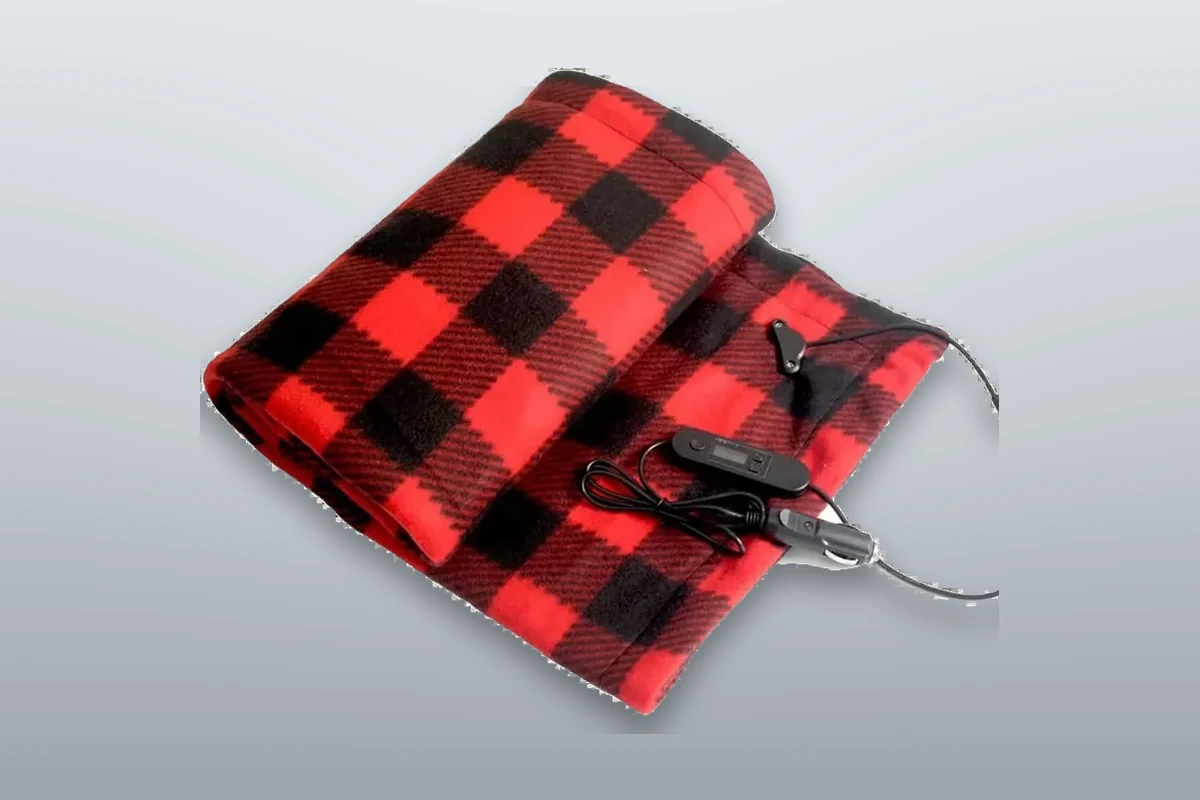
The overnight 12V blanket. Bigger coverage than the throw, same plug-in simplicity.
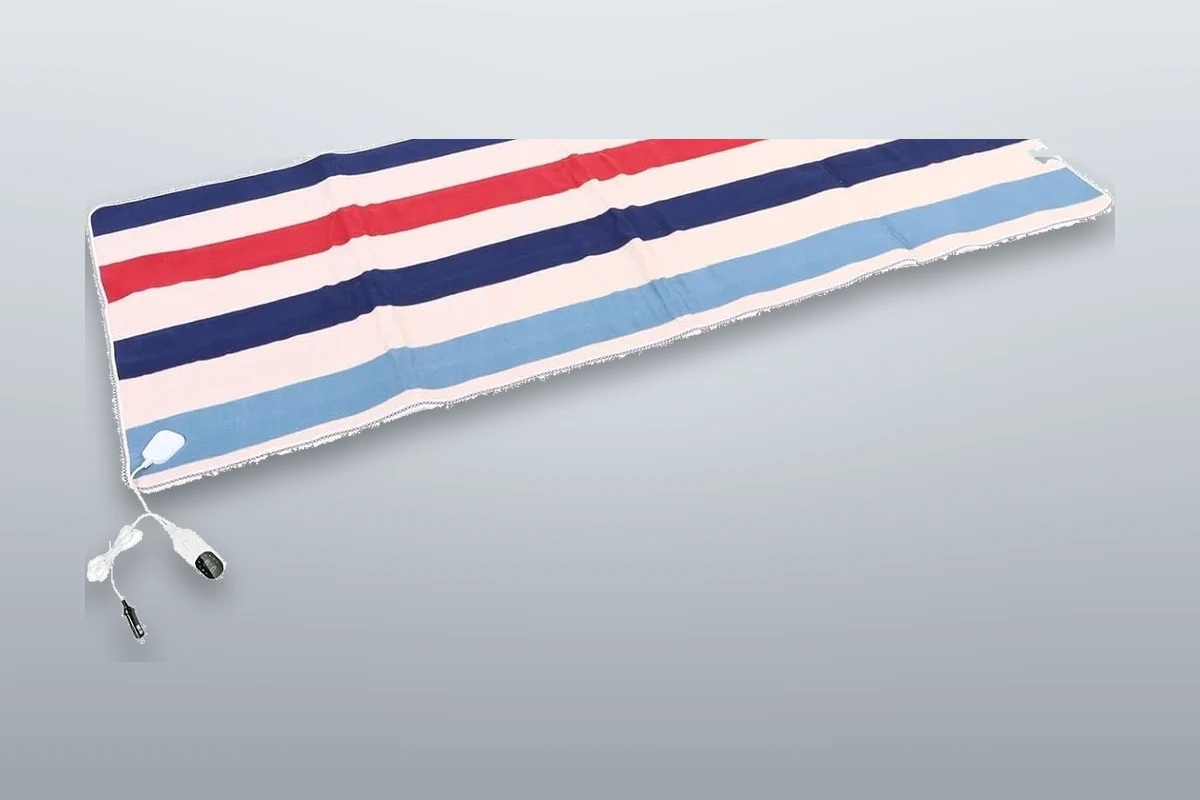
The budget 12V heated blanket. Warms the bunk; the thermostat is simpler than the top pick.
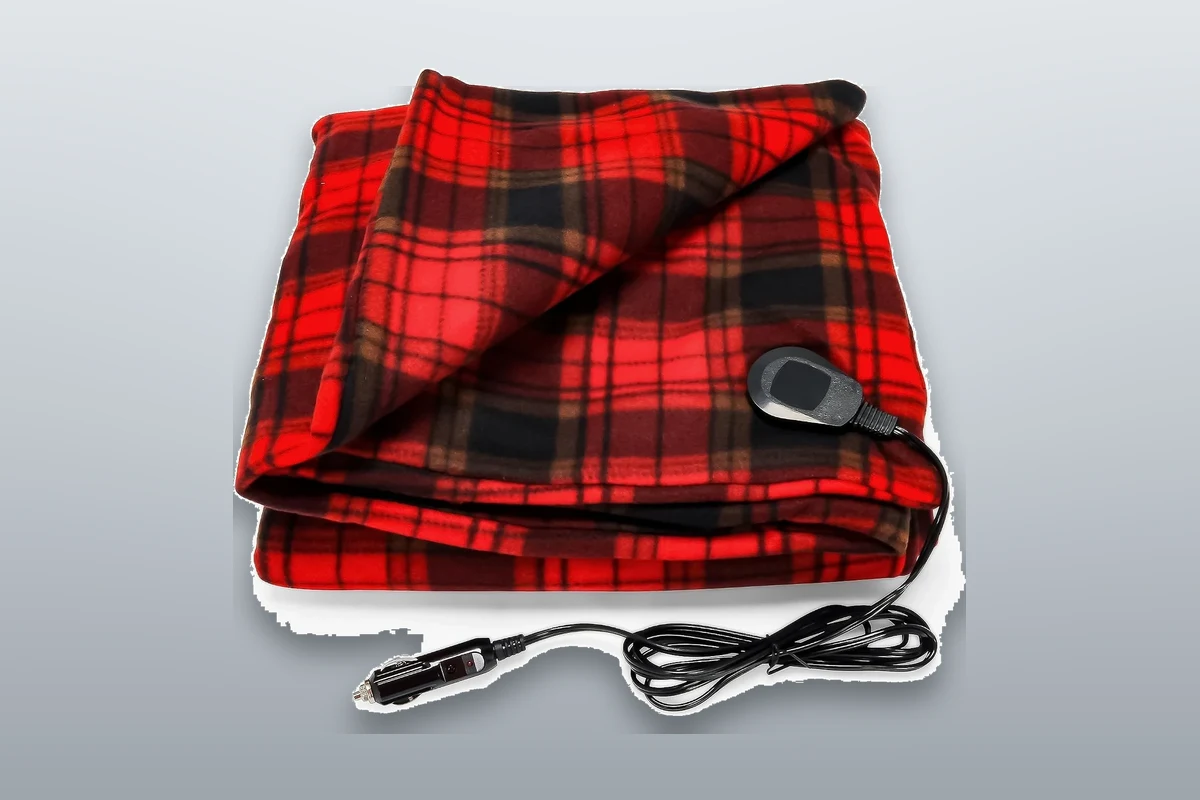
We've ranked all four head-to-head — throw vs full-size, digital vs simple controls — in our best 12V heated blankets for truck drivers buying guide.
The pattern is always the same: thin heating elements, undersized wiring, and a controller that runs full-blast until something gives up. The honest ones last a season or two of daily winter use. If you want lasting seat heat, a quality 12V seat cover with a real thermostat beats a bargain-bin pad every time — and a heated blanket over your legs does the same job with less to break. We've ranked the three worth considering in our best heated seat covers for truck drivers guide.
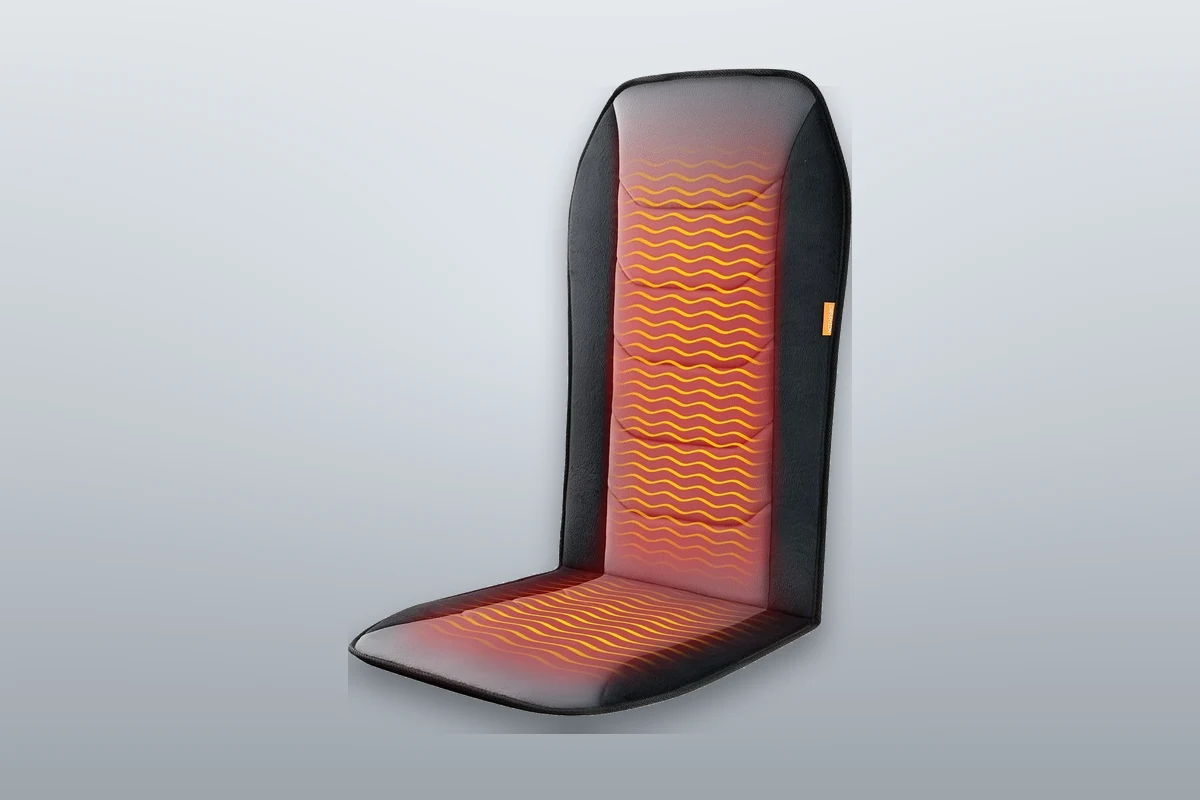
Plugs into the 12V port and heats the seat, not the cab. The first-hour-of-shift fix.
Heat the driver, not the cab. Physics rewards the lazy.
A 12V plug-in heater tops out around 150–200W — enough to defrost a windshield patch or take the edge off a small space, not enough to heat a sleeper. They're a supplement, not a solution. We ranked the three worth considering in our best 12V cab heaters guide — honest fuse math included. For real heat without idling, see diesel bunk heaters.
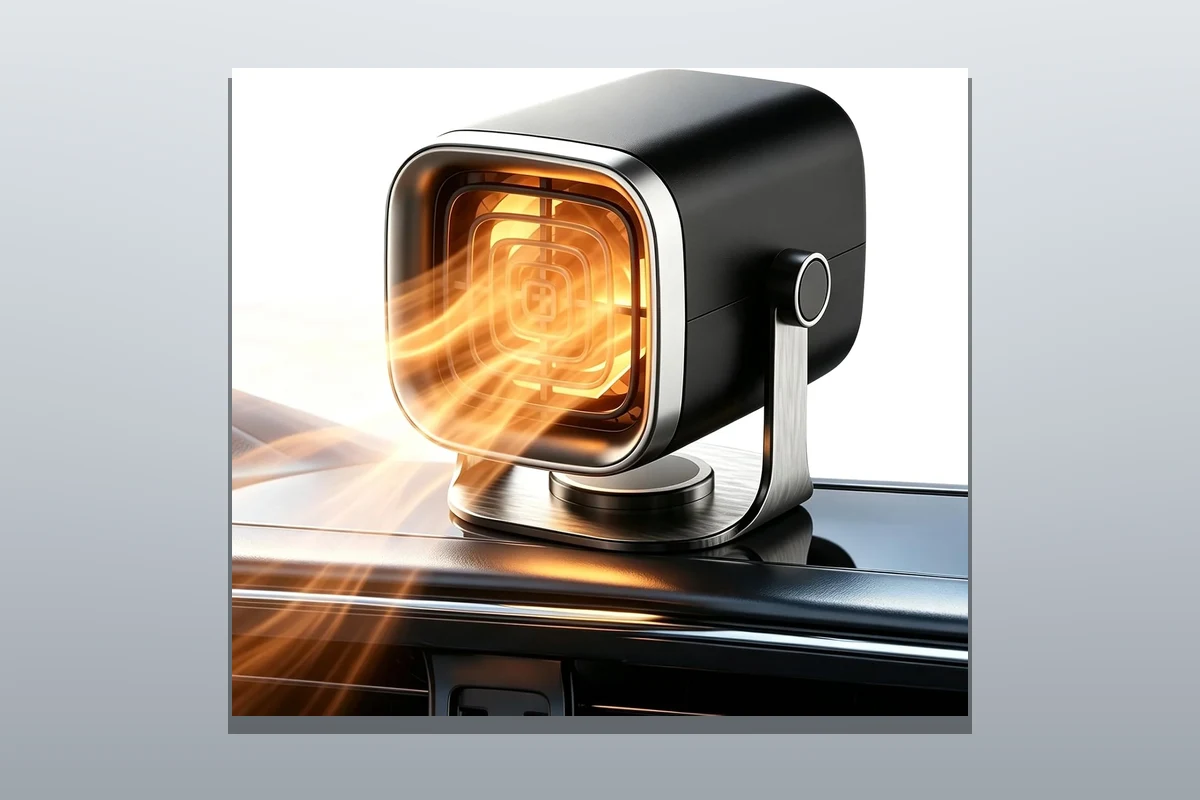
A 100W 12V heater for defogging and taking the edge off. Supplemental heat, not a furnace.
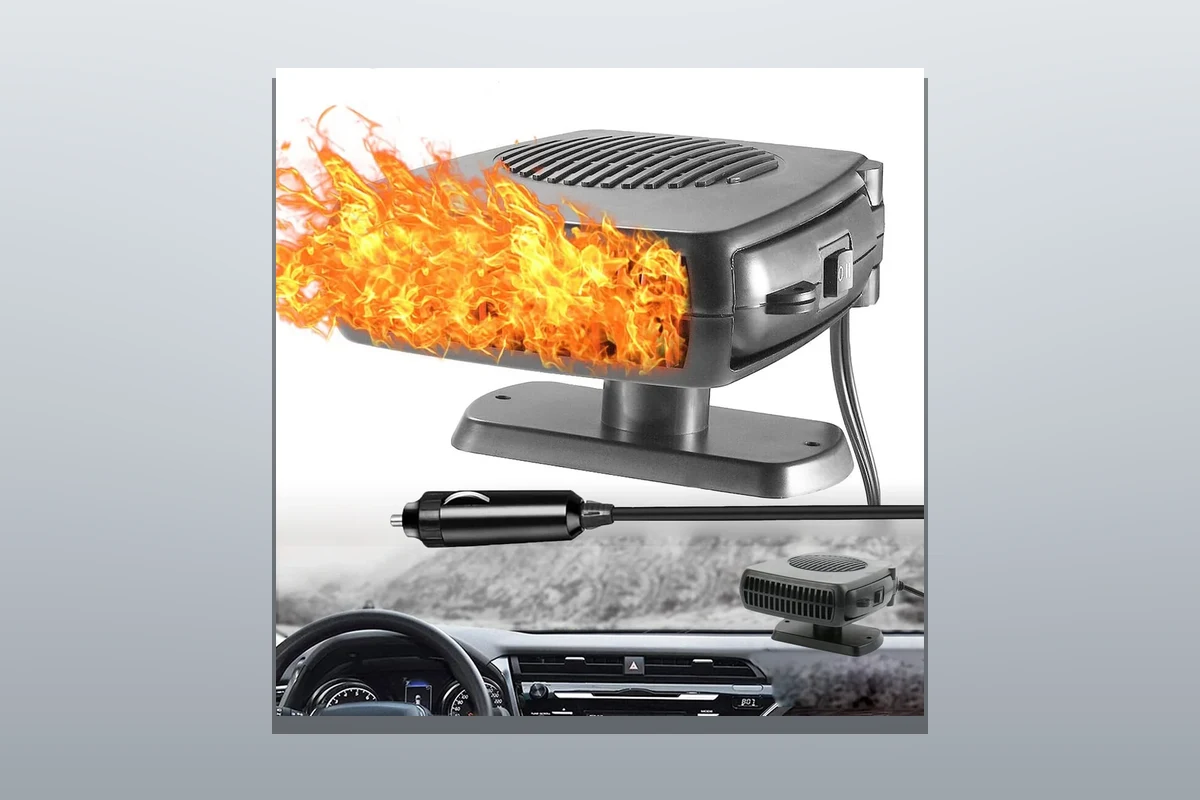
200 watts of 12V heat for the footwell and the windshield. Set expectations at takes-the-edge-off.
A heated blanket draws roughly 45–60W. Over an 8-hour night that's 360–480Wh — meaningful but manageable with a power station or healthy batteries. Check your exact numbers with the heated blanket runtime calculator.
This page is the combined overview; the deep rankings live in the two guides above, and the whole cold-weather system — heat, freeze, traction, sleep — is mapped on the winter gear hub.
The layering plan — blanket, bag, bunk heater — sits on one page of the free Winter Cab Checklist, built for a phone screen at a fuel island.
The freeze patrol, the cold-start sequence, and the layering plan on one page — free by email. Print it, screenshot it, keep it in the visor.
The signup form loads here — click once and it appears.
Blanket wins for versatility and longevity. Seat covers are convenient but fail faster.
No. 150–200W takes the edge off; it won't heat the space. Blanket + bag + bunk heater is the real system.
About 360–480Wh overnight — fine with a power station or good batteries, tight on a weak single battery.
Free checklist
The 22-point run-through that catches the heater that can't keep up and the fuel that gels at 2 AM — free by email, print it and keep it in the visor.
Disclosure: The Driver Gear is reader-supported. When you buy through links on this page, we may earn an affiliate commission at no extra cost to you. Scores reflect our editorial comparison methodology — how we test.