Winter · Emergency gear
Winter emergency gear for owner-operators in Canada (2026)
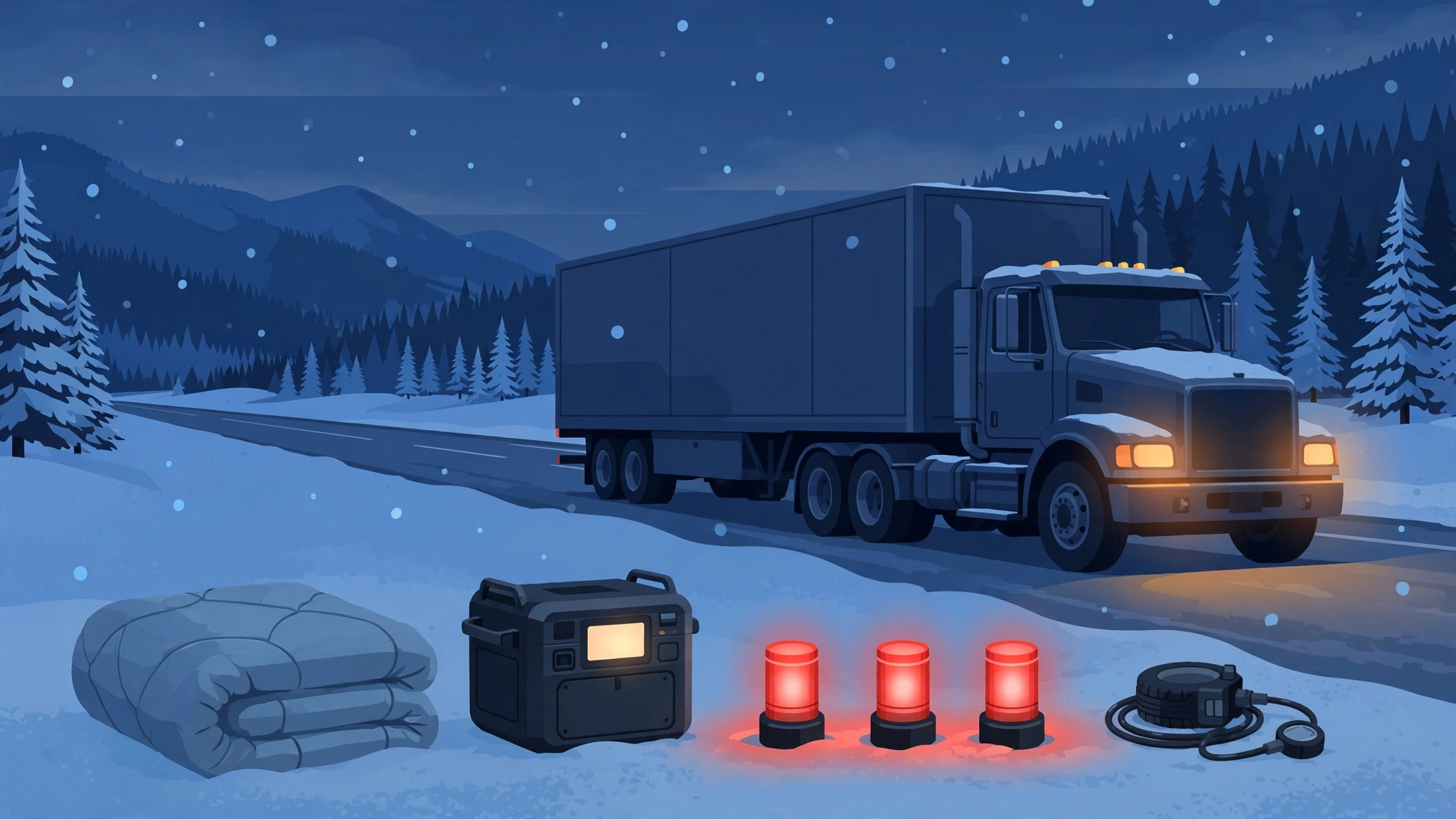
Four items cover nearly every winter roadside emergency an owner-operator will face in Canada — a 12V heated blanket for personal warmth, a portable power station to run it with the engine off, LED road flares to stay visible in a whiteout, and a 12V tire inflator for cold-weather pressure loss. Around C$650 at current prices for all four; one avoided tow pays for all of it.
Research-based. We did not test these hands-on. Scores come from published specs and driver reviews. This guide contains affiliate links to Amazon.ca. As an Amazon Associate I earn from qualifying purchases. Prices are approximate, in CAD, and change often — check the live listing before you buy.
Why it matters
Winter is a business risk when you own the truck
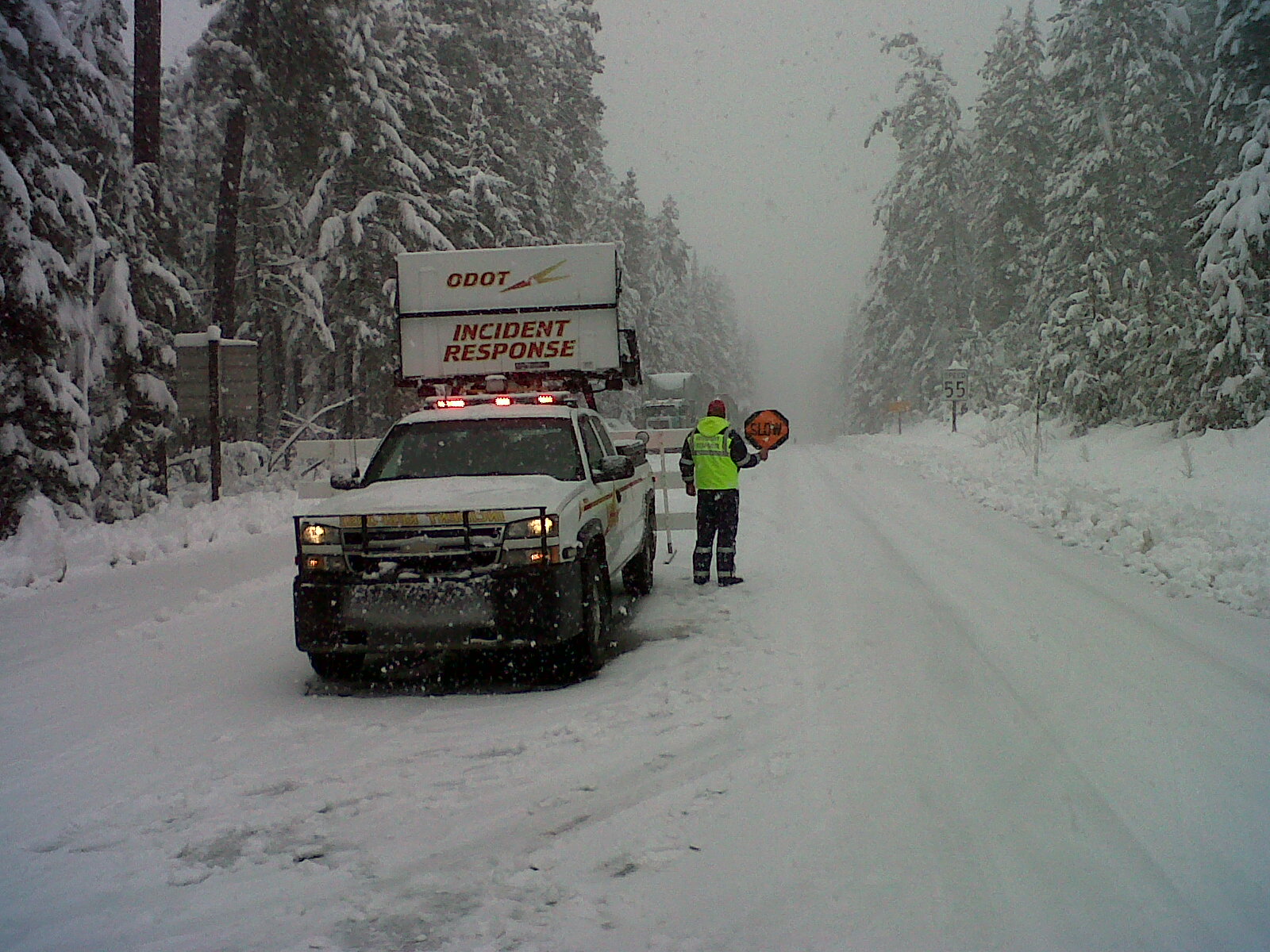
When a company driver gets stranded, dispatch sends help and the company eats the tow bill. When you own the truck, a January breakdown on the Coquihalla is your money, your freight, and your night — winter emergency gear is cheap insurance against the most expensive night of your season.
Extreme cold always finds the weak link: the battery that was fine in October, the tire pressure that bled off a few PSI, the whiteout that parks you on the shoulder for hours. These four picks match that pattern — stay warm, keep a little power, stay visible, keep rolling.
Everything here runs off 12V or its own battery — no installation, no shop visit. For the full seasonal routine, see our winter cab comfort checklist.
The picks in detail
Four essentials, compared honestly
Scores are provisional — published specs and buyer reviews, not hands-on testing. Unverified picks are marked, with a buying checklist instead.
Survival essential
12V heated blanket

The highest-leverage winter item you can carry: it heats the person, sips power for hours, and needs only the 12V outlet.
Why it scores well
- Warmth without idling: heating one person takes a fraction of the energy of heating a cab.
- Runs for hours: at around 55W, even a small power station keeps it going through the coldest stretch — see our heated blanket runtime calculator.
Watch out for
- Fuse and timer are non-negotiable — skip any blanket without both.
- Do not trap the heat: never bunch a powered blanket under heavy bedding.
- Power draw
- about 45–60W on 12V
- Plug
- fused 12V plug
- Safety
- auto shut-off timer
- Size
- full-body throw for the bunk
- Price
- varies by seller — no single pick yet
No single product pick yet — buy on the checklist above: fused 12V plug, auto shut-off timer, full-body size.
BLUETTI EB3A portable power station
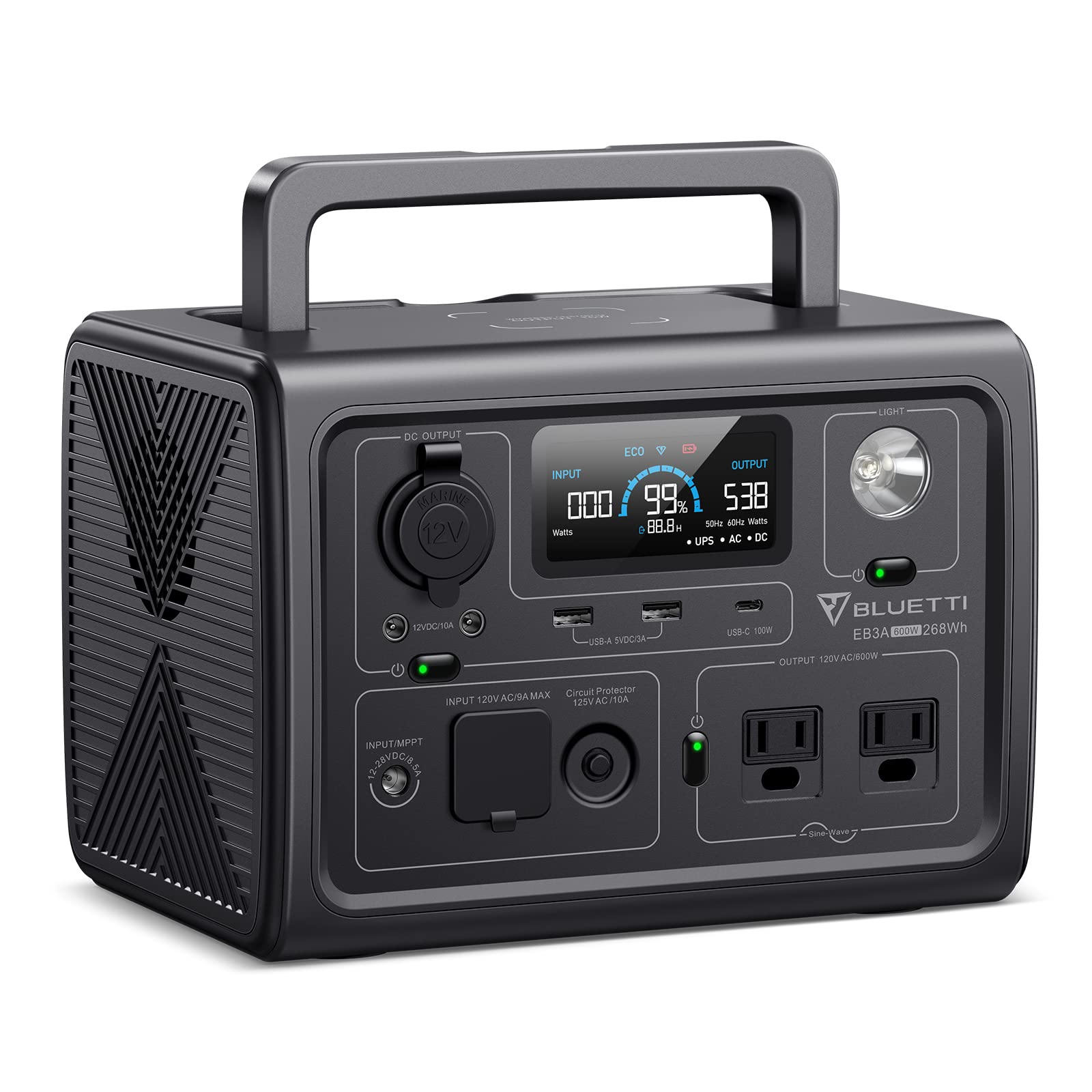
The engine-off power reserve: it stretches the blanket into a four-hour lifeline and keeps your phone alive to call for help.
Why it scores well
- Covers the winter essentials: 268Wh runs a heated blanket about four hours after conversion losses, charges phones for days, and powers a work light.
- Fast refill: 30-minute 0–80% charging, so a fuel stop meaningfully tops it up.
Watch out for
- Keep it in the heated cab: LiFePO4 batteries will not charge below about 0°C.
- Not a jump starter: it will not crank a diesel. Pair it with proper booster cables or a dedicated jump pack.
- Capacity
- 268Wh, LiFePO4
- AC output
- 600W (1,200W surge)
- Recharge
- 30-minute 0–80%
- Outlets
- 9 total, incl. 12V car socket
- Blanket runtime
- about 4 hours at ~55W
- Price
- about C$299 + 13% checkout saving, varies
Tobfit LED road flares (4-pack)
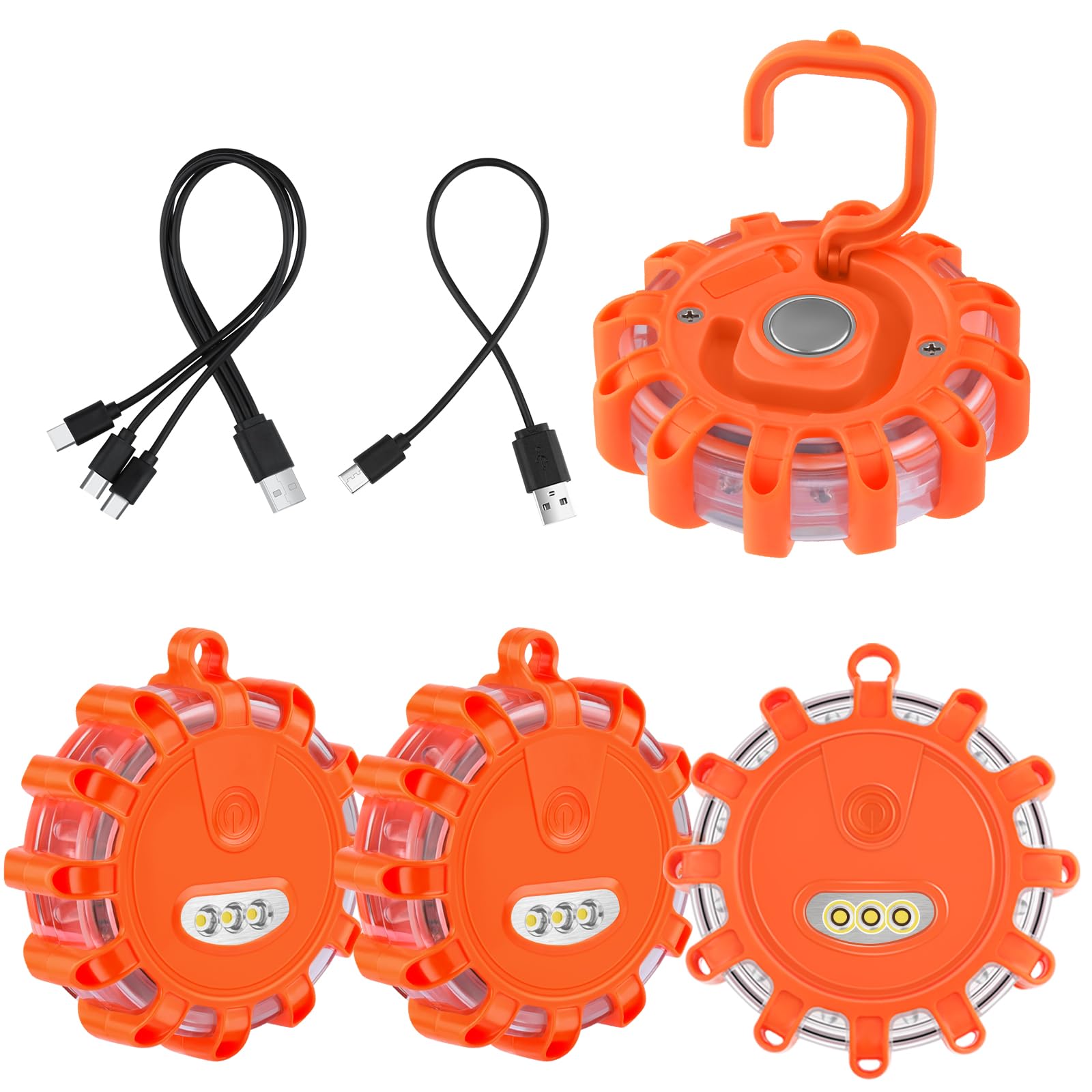
Visibility is survival on a dark shoulder: flashing LEDs punch through blowing snow where reflective triangles go invisible.
Why it scores well
- Visible when triangles are not: active flashing light cuts through whiteout conditions that swallow passive reflectors.
- Safer to deploy: a magnetic base sticks to the trailer side — far less walking on an icy shoulder at night.
Watch out for
- Check the charge: carry spares for disposables, and test everything before the first cold snap.
- Supplement, do not replace: triangles still belong in the kit — they never run out of power.
- Light
- four rechargeable flares, nine flashing modes
- Mounting
- magnetic base plus hook
- Power
- rechargeable via USB-C
- Weatherproofing
- IP67 sealed against snow and rain
- Price
- about C$33, varies
ALL-TOP dual-cylinder 12V tire inflator
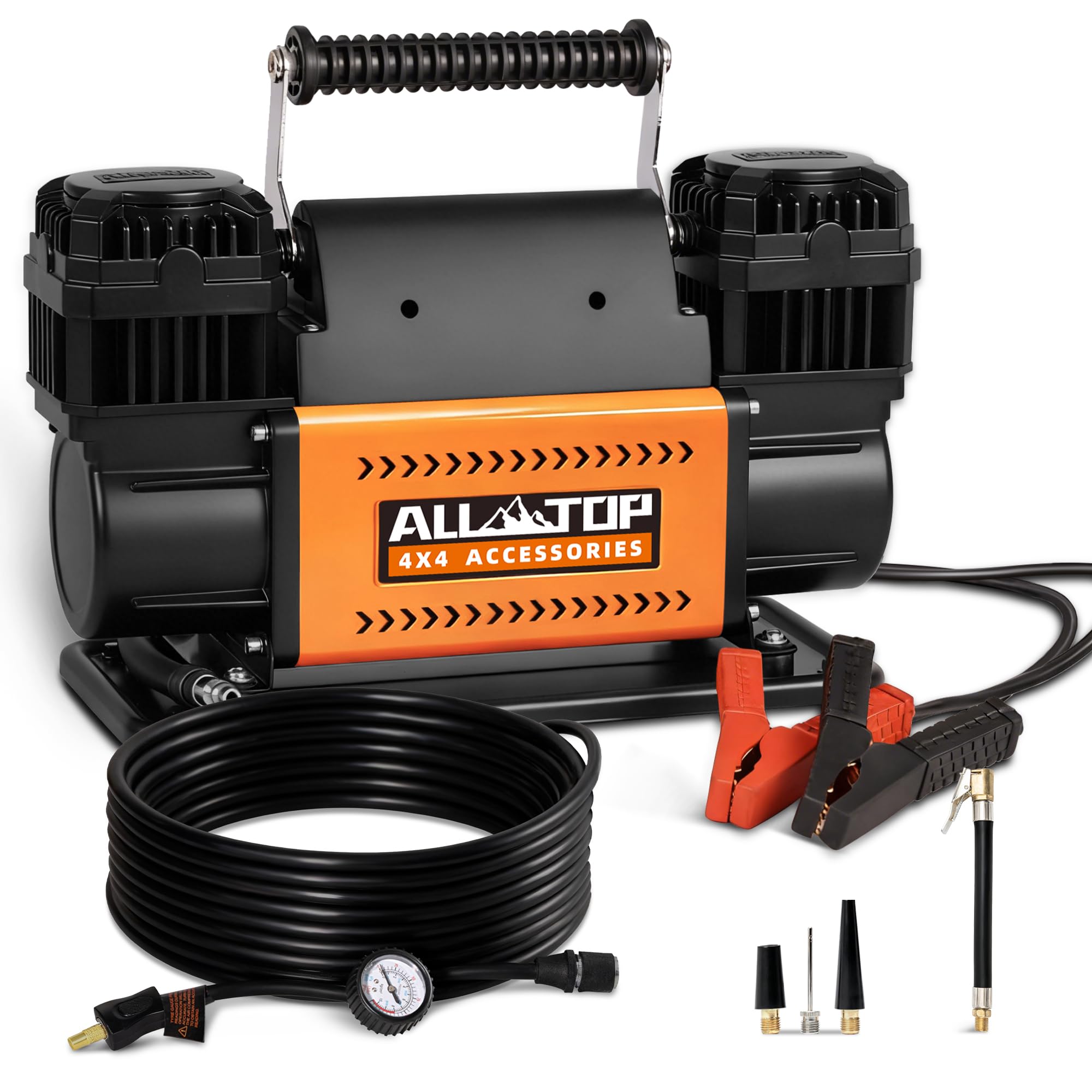
Cold air steals pressure, and a soft trailer tire turns a slow morning into a roadside call. This heavy-duty ALL-TOP unit clips straight to the battery and pushes 150 PSI at 350 L/min — real capacity for truck and RV tires, with no shop air needed.
Why it scores well
- Built for big rubber: 150 PSI and 350 L/min is real truck-tire territory — topping up cold-stolen PSI is fast work for this unit.
- Battery clamps, not the outlet: this is a high-draw compressor — connect straight to the battery terminals, which is also why it can do the job.
Watch out for
- Heavy and expensive: about C$279 for a serious compressor — overkill if you only ever top up car tires.
- Mind the duty cycle: let the unit cool between tires on a full top-up round.
- Power
- direct-to-battery clamps (not a 12V outlet)
- Output
- 150 PSI, 350 L/min
- Hose
- 26-foot reach
- Protection
- thermal + over-current protection
- Price
- about C$279, varies
Round it out
Also worth carrying
No affiliate links here — just the rest of the kit cold-weather drivers treat as standard:
- Collapsible snow shovel — gets you out of a plow berm without waiting for a loader.
- Chemical hand and foot warmers — a bulk box in the door pocket; they work when everything electrical has given up.
- Wool blankets or a winter-rated sleeping bag. The no-power backup for the heated blanket — warmth that cannot run out of charge.
- Headlamp — both hands free while you chain up in the dark.
- Heavy-duty booster cables — for the day no power station can crank a cold diesel.
- Snacks and water — high-energy food and a couple of litres; dehydration sneaks up in a cold cab.
How this guide was made
Research-based. We did not test these hands-on. Scores come from published specs and driver reviews — our own scores, out of 20. Where a product pick is still being verified, we say so. Prices were approximate at research time; the Amazon link shows the current price.
We compared winter emergency gear sold on Amazon.ca using manufacturer specs and published buyer-review aggregates as of September 2026.
FAQ
Winter emergency questions, answered
What winter emergency gear should every owner-operator carry in Canada?
A 12V heated blanket, a portable power station, LED road flares or warning triangles, and a 12V tire inflator cover the big four: warmth, power, visibility, mobility. Add a shovel, hand warmers, a headlamp, and extra blankets for most roadside winter emergencies.
Can a portable power station run a heated blanket all night?
Not the small ones. A 268Wh station like the BLUETTI EB3A runs a 55W heated blanket about four hours after conversion losses — enough for the coldest stretch, not a full ten-hour rest. For all-night heat with the engine off, you need roughly double the capacity or cycle the blanket on and off.
Are LED road flares better than warning triangles in a whiteout?
For being seen, yes. LED flares throw bright flashing light that cuts through blowing snow far better than passive reflective triangles, and they work when you cannot safely walk back to place triangles along the shoulder. Carry both if you have the space — triangles never run out of batteries.
What kind of tire inflator should an owner-operator carry?
A heavy-duty one with battery clamps, like the ALL-TOP dual-cylinder unit: 150 PSI and 350 L/min is real truck-tire capacity. Cigarette-lighter inflators top up car tires fine, but big rubber needs the direct-to-battery connection — a standard 12V outlet cannot feed that kind of draw.
How do I keep emergency gear ready at −30°C?
Store the power station in the heated cab, not an outside box — lithium batteries will not accept a charge below about 0°C. Keep the blanket where you can reach it from the driver’s seat, test the flares and inflator before the first cold snap, and toss warmers in the door pocket in October.
Keep reading
Winter and 12V power, covered in depth
Winter cab comfort checklist
The full seasonal routine for a warm, working cab.
Read the guide →
WinterHeated blankets for truck drivers
Stay warm without idling — heated blankets compared for Canadian truck sleepers.
Read the guide →
Calculators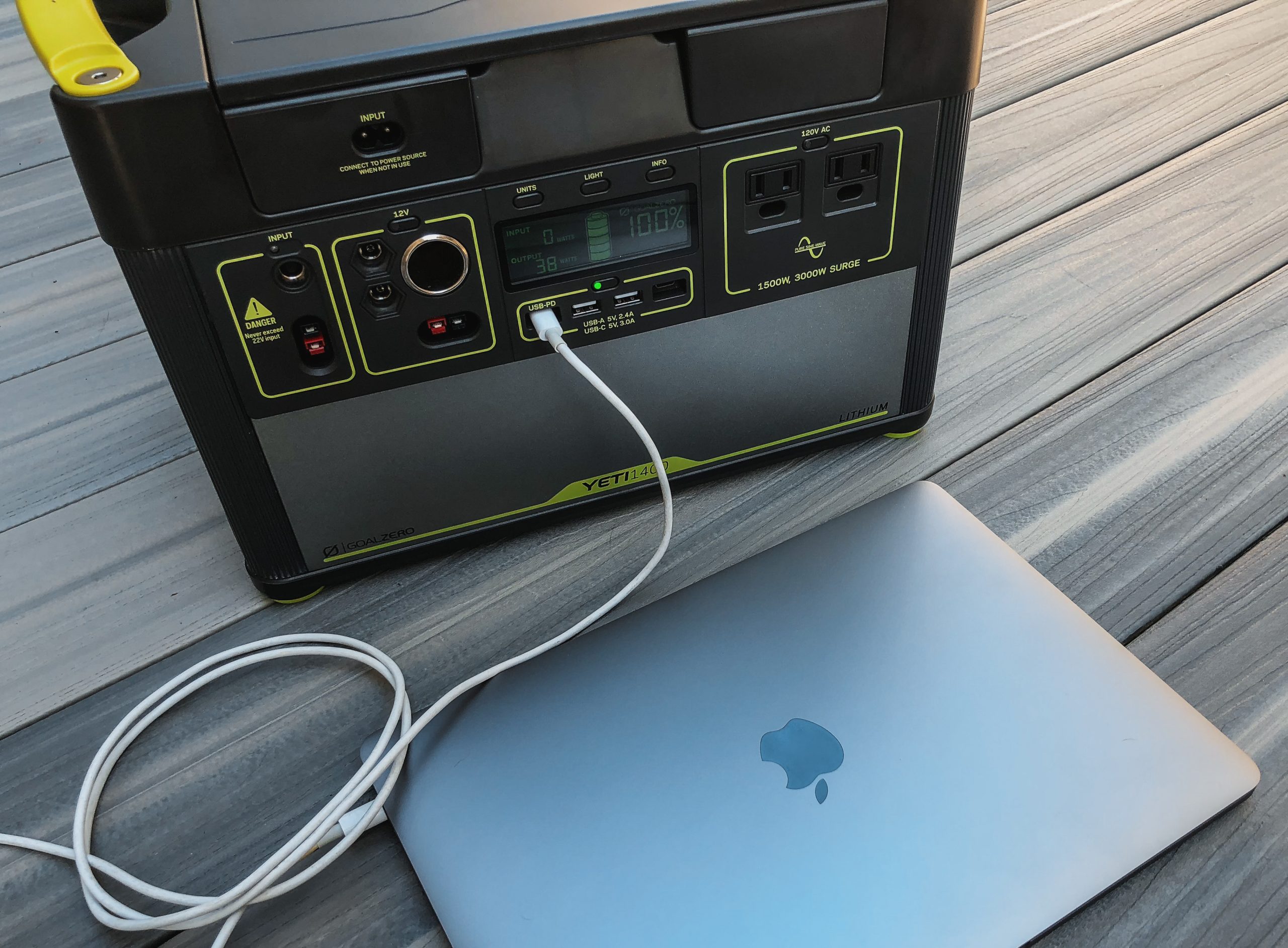
Heated blanket runtime calculator
How long your battery bank runs a heated blanket — do the math before the cold hits.
Open the calculator →
12V guide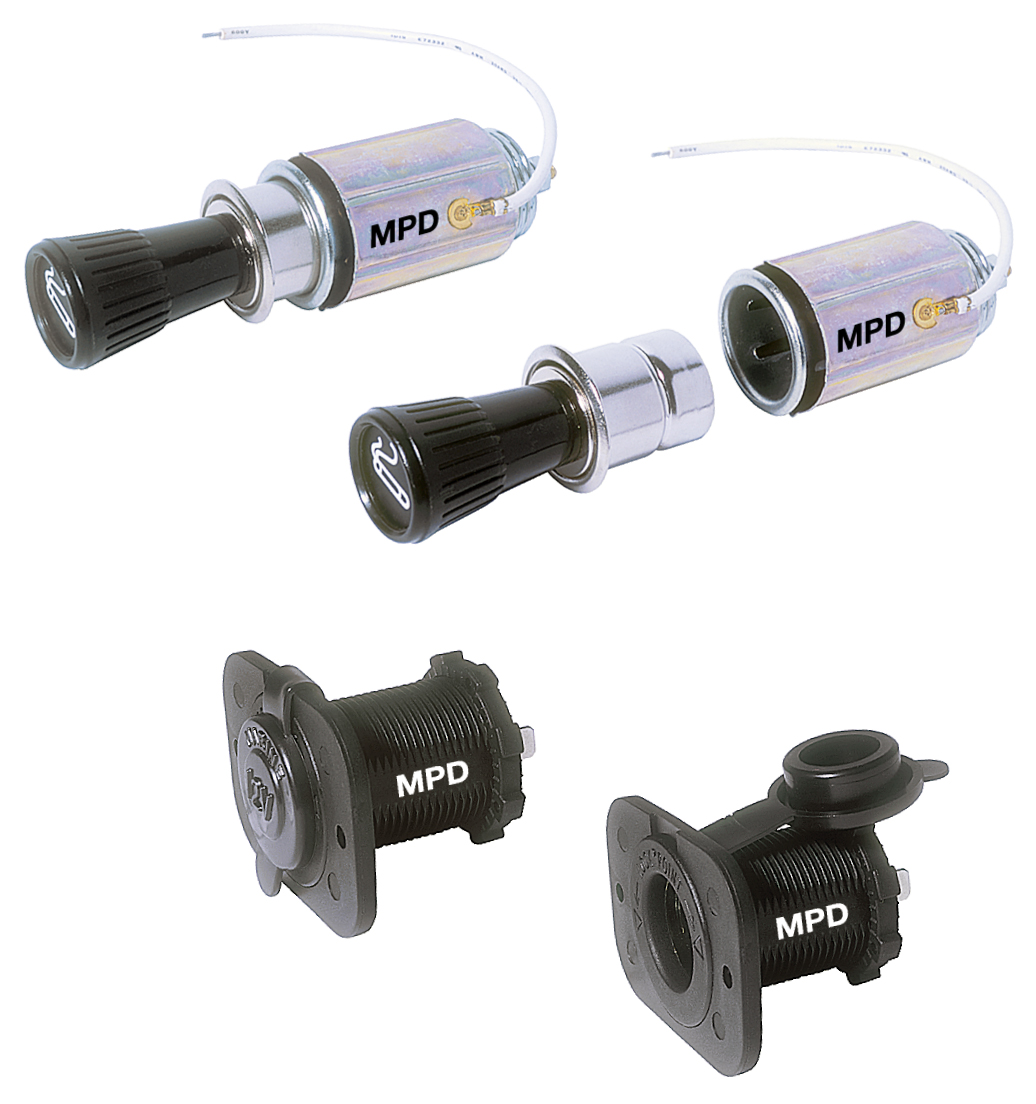
12V outlet safety: what you can run
What a 12V socket can actually power — and what will blow the fuse.
Read the guide →
Guides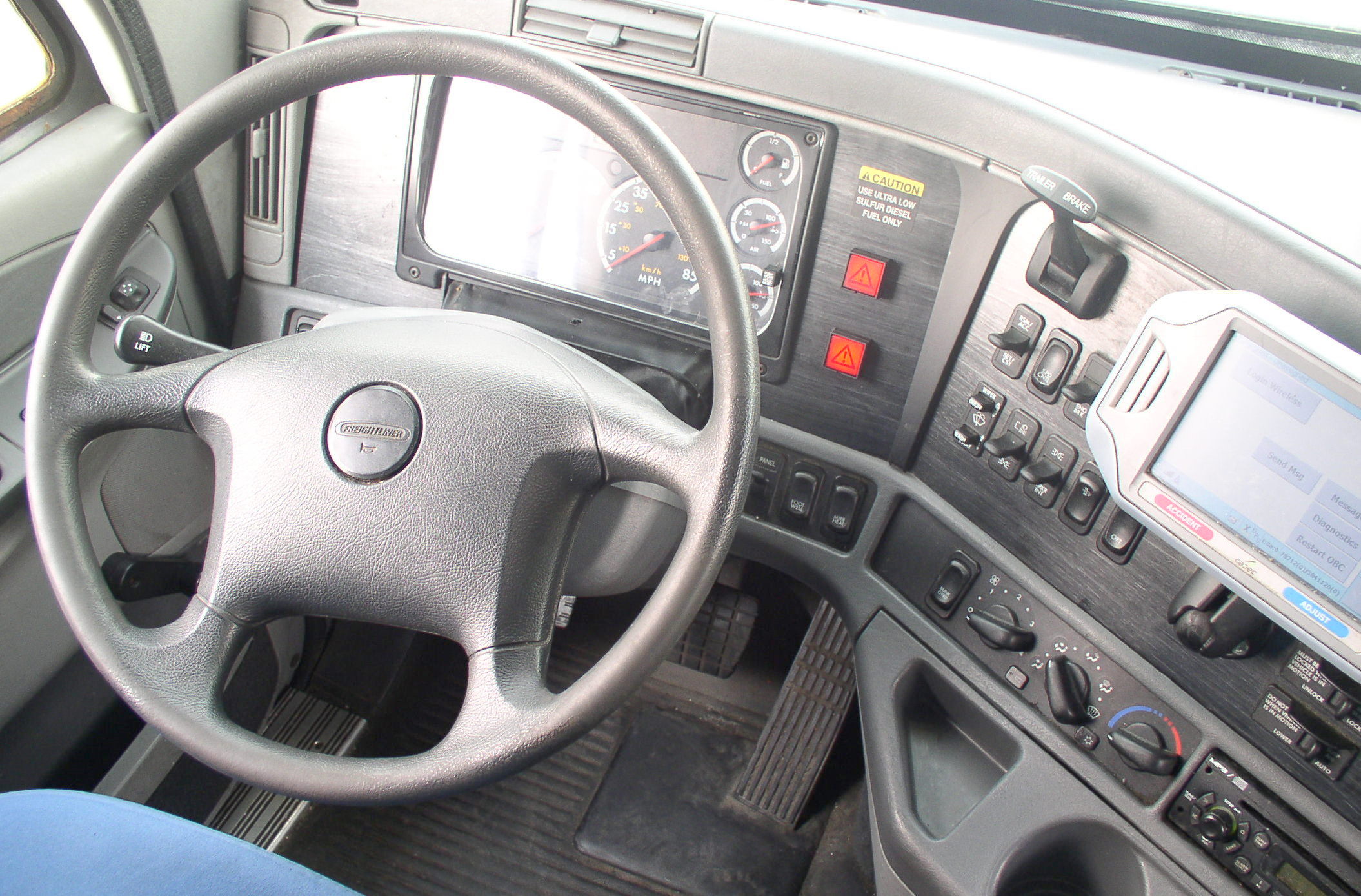
The 12V guide
The complete guide to 12V power in a truck cab.
Read the guide →
Winter
Do 12V coolers work at −40°C?
The winter reality check for compressor coolers in extreme cold.
Read the guide →