17/20
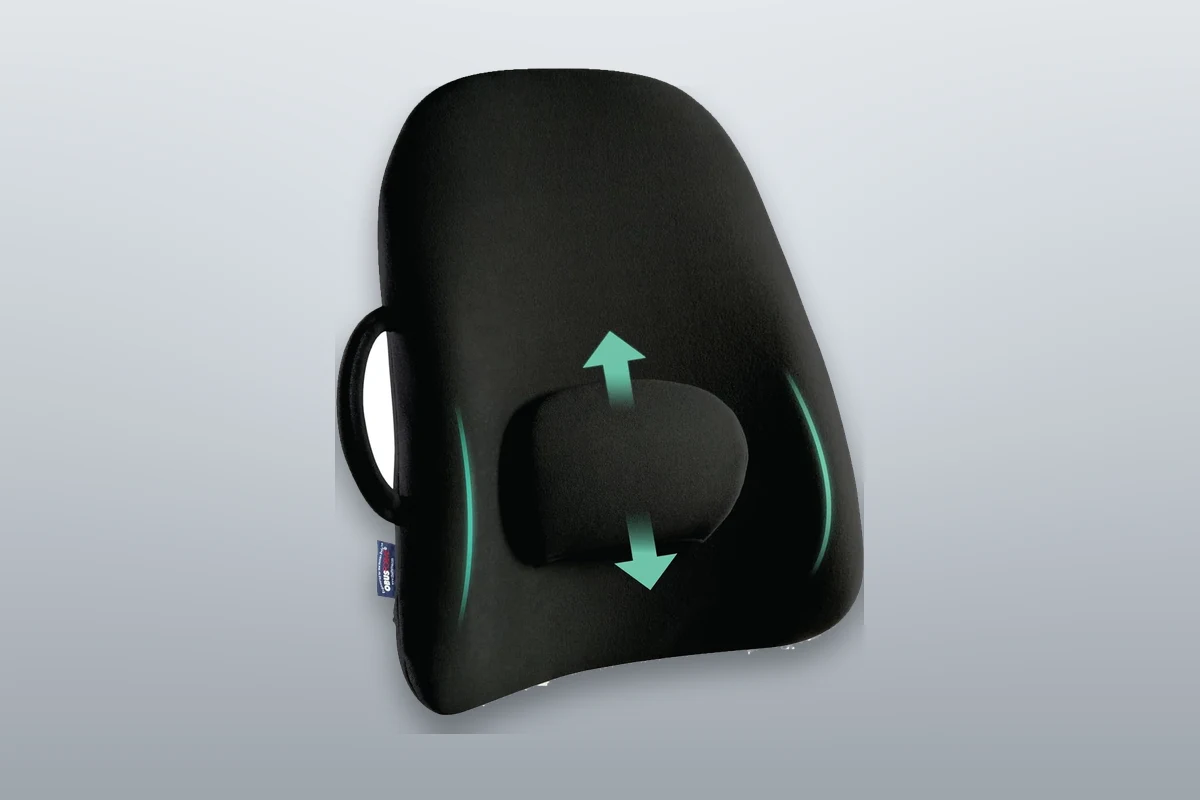
#1 — ObusForme Lowback Backrest Support
The strap-on lumbar support to hand a new driver first. Fits the seat you have.
Buying guide
Five cushions ranked and scored. Your back will thank you.
Updated October 5, 2026
Eleven hours in a stock truck seat is a slow-motion injury. A good cushion doesn't just add comfort — it changes your posture, takes pressure off your tailbone, and keeps you cooler. Here's what's actually worth buying.
Not all cushions solve the same problem. Before you buy, figure out what hurts:
Thickness matters too. Too thin and you're sitting on the seat anyway. Too thick and you're perched above the steering wheel. Most drivers do best in the 2–3 inch range.
The strap-on lumbar support to hand a new driver first. Fits the seat you have.
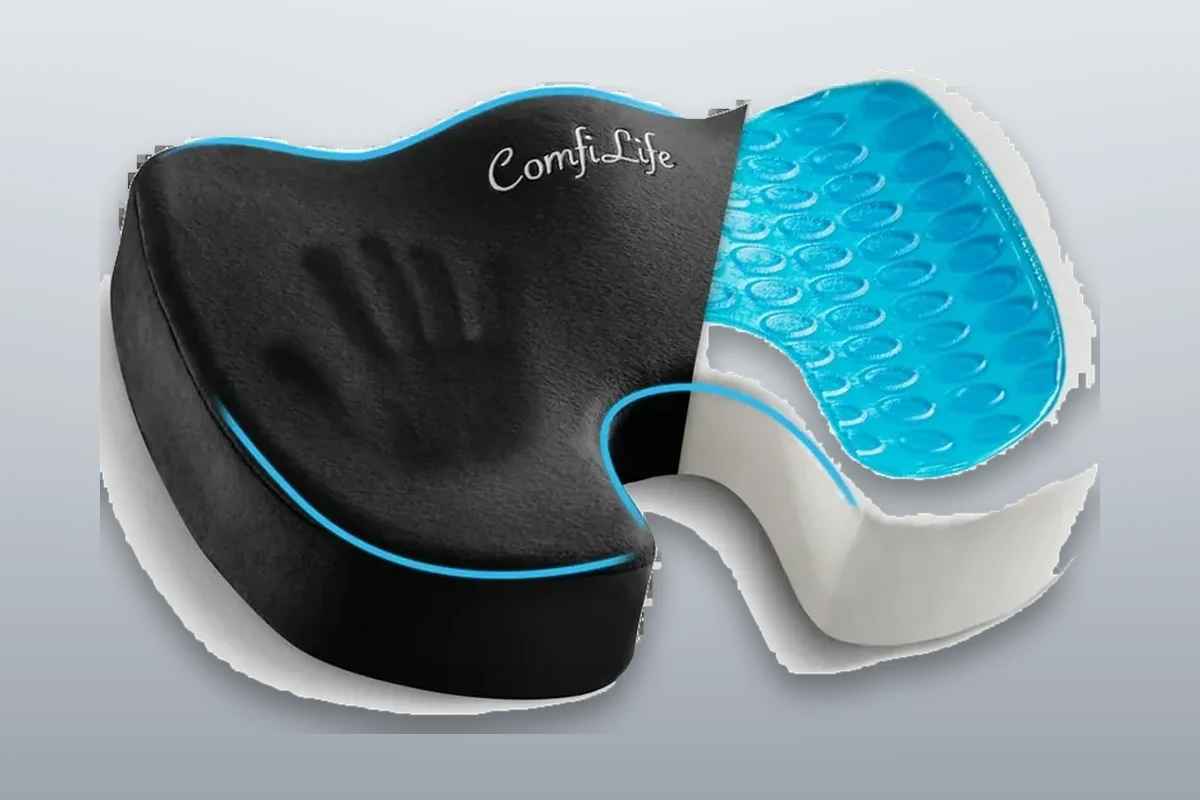
Gel memory foam with a coccyx cutout. Comfortable — but the listing carries a frequently-returned badge, so read the critical reviews first.
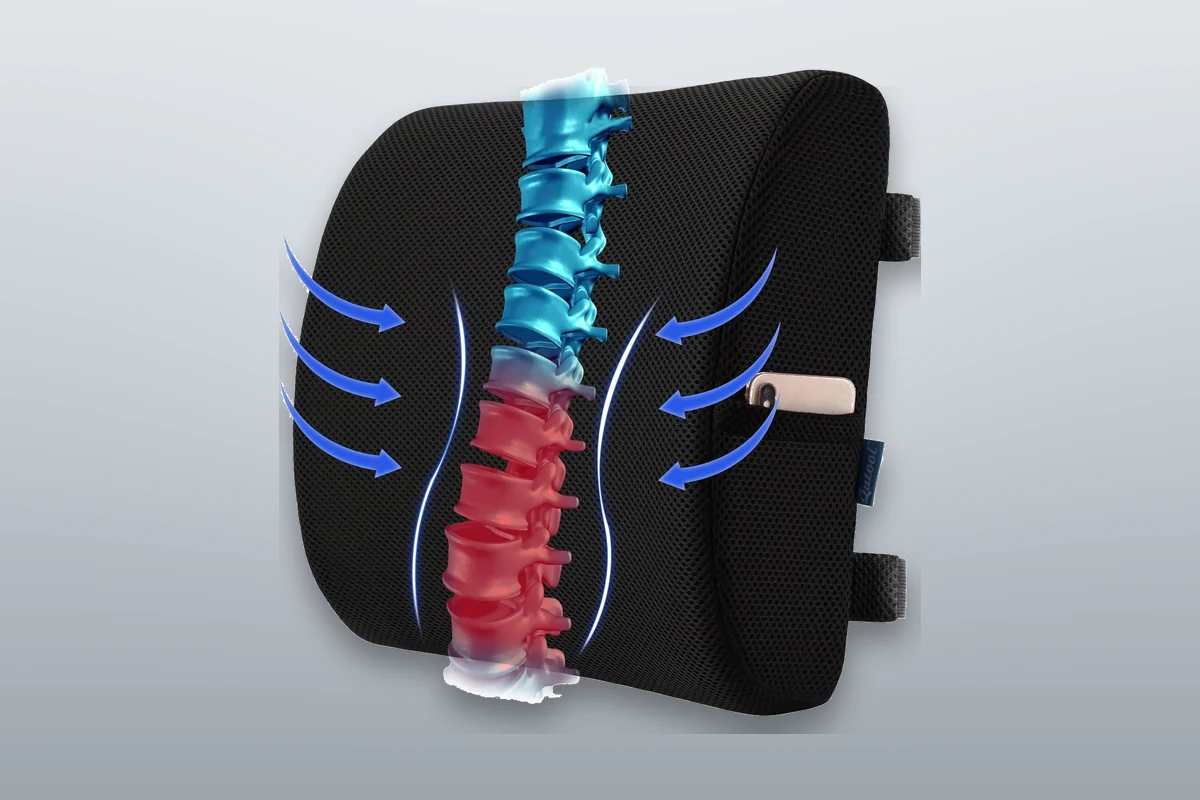
Memory foam lumbar support at a working-driver price. Twenty-six thousand reviews can't all be wrong.
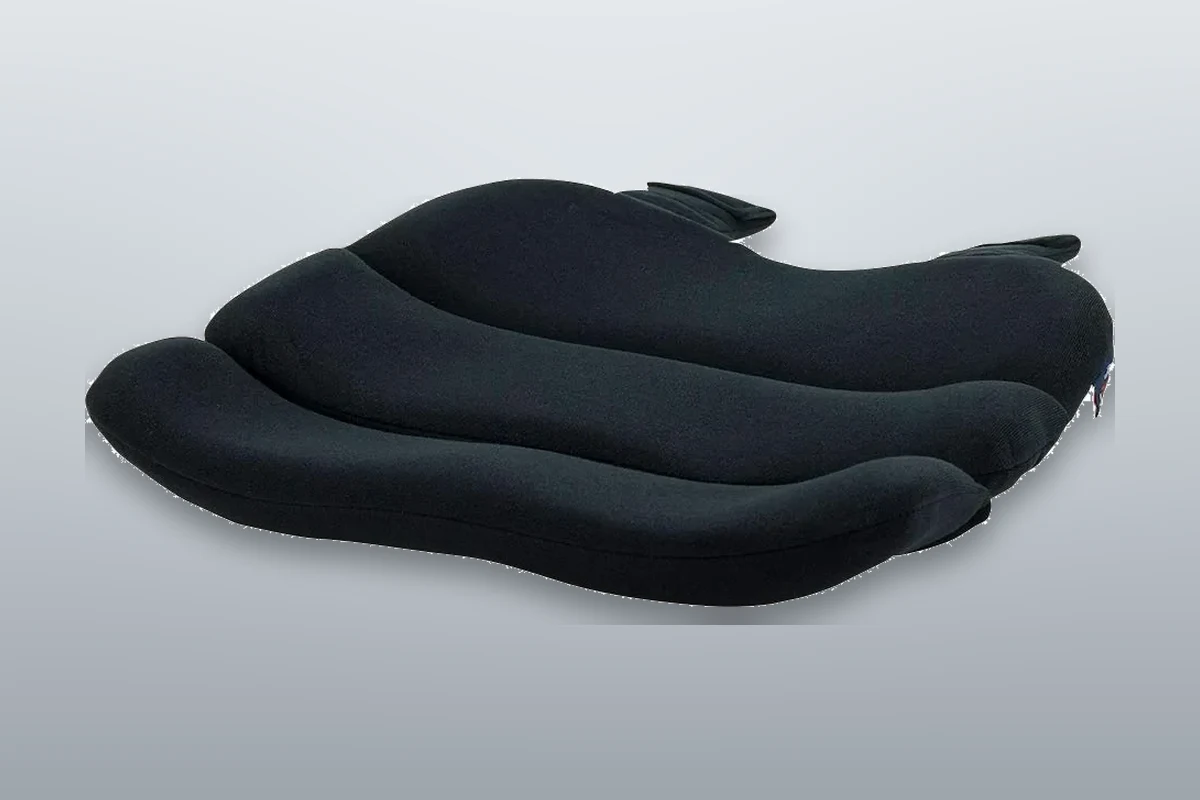
Contoured foam with a support panel for rough roads. Retired from the lineup — the Lowback does the job better.
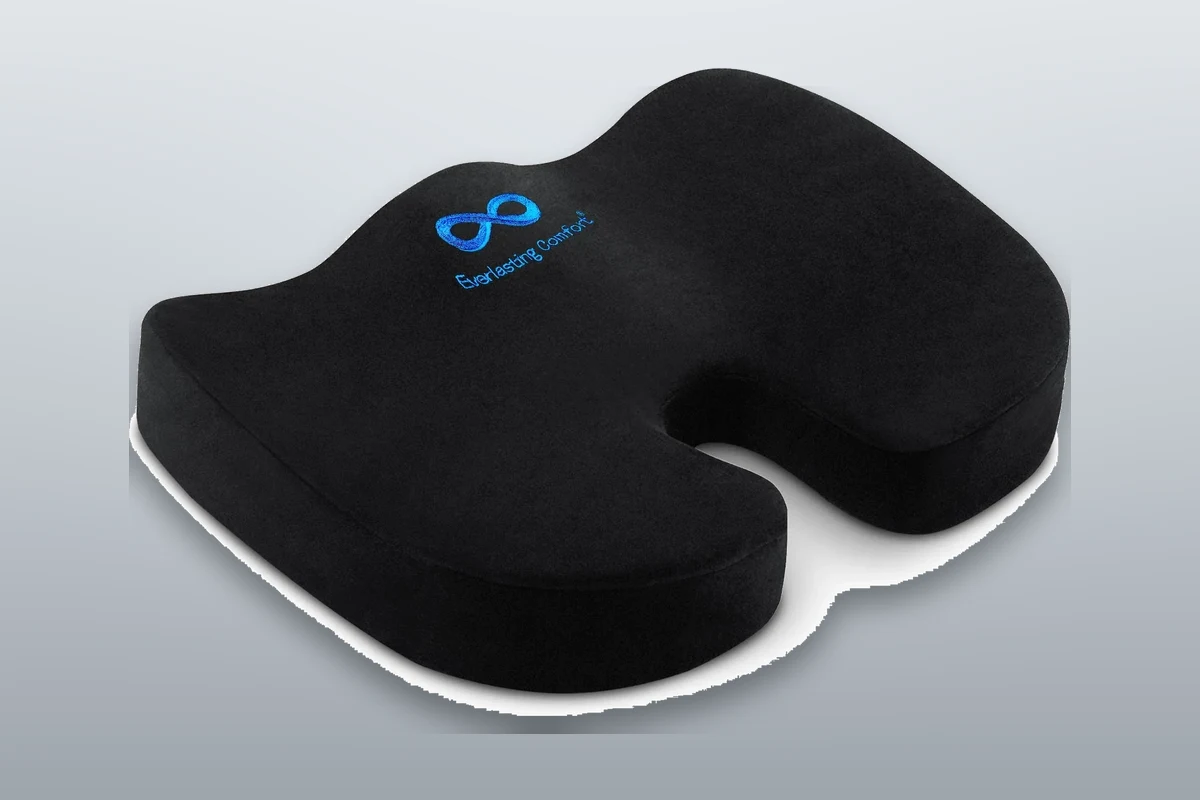
U-shaped memory foam with a coccyx cutout. Retired — newer picks beat it on value.
The cheapest cushion is the one you only buy once.
The strap-on lumbar support we'd hand a new driver first. It fits the seat you already have — no modifications, no fuss. The contoured shape fills the gap between your lower back and the seat, which is where most truck seats fail. If your pain is in the lumbar region rather than your tailbone, start here before buying a seat cushion. It won't fix a bad seat, but it fixes the most common complaint about decent ones.
Gel-infused memory foam with a coccyx cutout. The gel layer is the real differentiator — it distributes heat better than standard memory foam, which matters when you're sitting for 11 hours in a sun-baked cab. The U-shaped cutout takes pressure off the tailbone. Comfortable for long stretches, though the cooling effect fades in extreme heat. A solid pick if tailbone pain is your main issue.
Memory foam lumbar support at a working-driver price. The strap system keeps it in place on the seat back, and the contoured shape provides consistent lower-back support. It's not fancy, but it does the one job it needs to do. Pairs well with a seat cushion if you need both tailbone and lumbar support — they're different problems that often show up together.
Research-based. We did not test these hands-on. Scores come from published specs and driver reviews. Every cushion goes through the same 20-point rubric — comfort, support, durability, and value. Read the full methodology →
Gel runs cooler and distributes pressure well. Memory foam contours better. For hot cabs, gel wins.
Yes. A cushion helps your tailbone; lumbar support helps your spine. They're different problems.
Most drivers do best with 2–3 inches. Thinner and you're sitting on the seat anyway; thicker and you're perched too high for the wheel.
A coccyx-cutout cushion can reduce pressure on the sciatic nerve by improving sitting posture. It's not a cure, but many drivers report relief. See a doctor if pain persists.
Look for non-slip rubber backing or adjustable straps. On vinyl truck seats, a strap-on design stays put better than a loose cushion.
Quality memory foam holds its shape for 1–2 years of daily use. Cheaper foam compresses flat within months. If your cushion has gone flat, it's done — replace it.
Free checklist
The 22-point run-through that catches the heater that can't keep up and the fuel that gels at 2 AM — free by email, print it and keep it in the visor.
Disclosure: The Driver Gear is reader-supported. When you buy through links on this page, we may earn an affiliate commission at no extra cost to you. Scores reflect our editorial comparison methodology — how we test.