Reviews · Winter
Best Winter Sleeping Bag for Truck Drivers in Canada (2026)
Short answer: the Yanes Yukon −30°C. The working rule in this guide: a bag’s headline temperature rating is closer to a survival number than a comfort number — so buy 10–15 degrees colder than the coldest night you expect. In a wind-sheltered cab, synthetic fill beats down for most drivers because cab condensation is real.
Research-based. We did not test these hands-on. Scores come from published specs and driver reviews. This guide contains affiliate links to Amazon.ca. As an Amazon Associate I earn from qualifying purchases. Prices are approximate, in CAD, and change often — check the live listing before you buy.
Key Takeaways
- Buy 10–15°C colder than your worst night. A “−20°C” bag keeps you alive at −20°C; comfort sits roughly 10–15 degrees warmer. For −30°C prairie nights, that means a −30°C or colder bag.
- Synthetic beats down in a cab. Breath condenses on cold cab walls and windows all night. Synthetic insulation keeps working damp; down does not.
- Mummy shape saves heat. Less dead air to warm than a rectangular bag. If you toss and turn, size up rather than switching shapes.
- Layer it. A bag plus a 12V heated blanket inside covers the nights the rating does not — the combination is the veteran play. For the driving shift itself, a heated seat cushion warms you the same direct way.
Reading the label
How Sleeping Bag Ratings Actually Work
Sleeping bag temperature ratings follow the EN/ISO 23537 standard, which publishes two numbers that matter: the comfort rating (the temperature at which a cold sleeper stays comfortable) and the limit rating (the lowest temperature at which a warm sleeper stays alive, not comfortable). Marketing leads with the limit rating because the number looks better. When a bag says −20°C, read it as “comfortable around −10°C for most people.”
The good news for drivers: those ratings assume you are in a tent, on the ground, in wind. A sleeper cab is a hard-walled shelter — no wind, no ground conduction through a thin pad, and usually a few degrees warmer than outside from residual engine heat. Your bag’s rating stretches further in a cab than in the backcountry, which is why a −20°C bag plus layering carries many drivers through −30°C nights.
On fill: down packs smaller and lasts longer, but it loses most of its insulation when damp — and a cab in winter is a damp place, with breath condensing on every cold surface by morning. Synthetic fill is bulkier but keeps insulating wet, dries faster, and costs far less. For a bag that lives in the truck all winter, synthetic is the practical pick, which is why every bag below is synthetic.
What to look for
What to Look for
A real temperature rating, not a marketing number. If the listing gives only one temperature with no standard named, treat it as optimistic by 5–10 degrees. None of the three listings below names the EN/ISO 23537 standard — their ratings are the manufacturer’s own numbers, so read them conservatively.
Draft collar and draft tube. The zipper is a cold highway into the bag. A draft tube (insulated flap behind the zipper) and a draft collar (around the shoulders) are what separate real winter bags from three-season bags with a scary number on the tag.
Hood that actually closes. You lose a remarkable amount of heat through your head and neck. A mummy hood with a drawcord you can cinch to a breathing hole is essential — a loose hood is decoration.
Size for your body, plus a little. A bag compressed tight against you has no loft where it touches — cold spots. If you are broad or tall, size up; the small weight penalty beats a cold night.
The picks in detail
Three Winter Bags, Compared Honestly
Scores are provisional — based on published specs and buyer reviews, not hands-on testing.
Best pick
Yanes yukon −30°C winter mummy sleeping bag
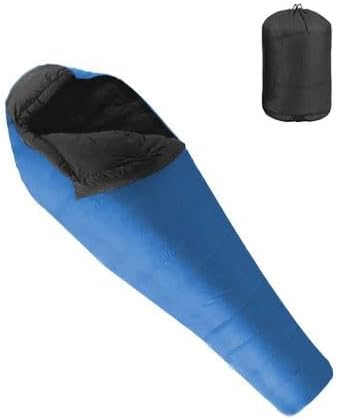
A Canadian −30°C synthetic mummy from a Quebec outdoor retailer — the warmest honest rating in this guide at the lowest price. One reviewer slept in it at −20°C in a snow shelter and called it adequate.
Pros
- True −30°C rating, synthetic: the warmest honest rating here in the right fill for a damp cab.
- Real cold-weather use: a reviewer slept in it at −20°C in a snow shelter and called it adequate.
- $120 — the cheapest per degree of rating in this guide, from a Canadian retailer.
Cons
- Listing contradicts itself on weight: 7.3 lbs in the bullets vs 1 kg in the spec table — neither independently verifiable.
- One reviewer was cold at −10°C and questioned the rating — an honest split in a small review set.
- Zipper fights back: hard to operate from inside, per reviewers.
- Rating
- −30°C (limit, per listing)
- Fill
- Synthetic “Micro-Fiber 4” (fill weight not published)
- Shape
- Mummy with hood, 92″ × 34″/26″
- Weight
- 7.3 lbs per bullets / 1 kg per spec table — conflicting
- Price
- about C$120
Browning discover −20°F sleeping bag
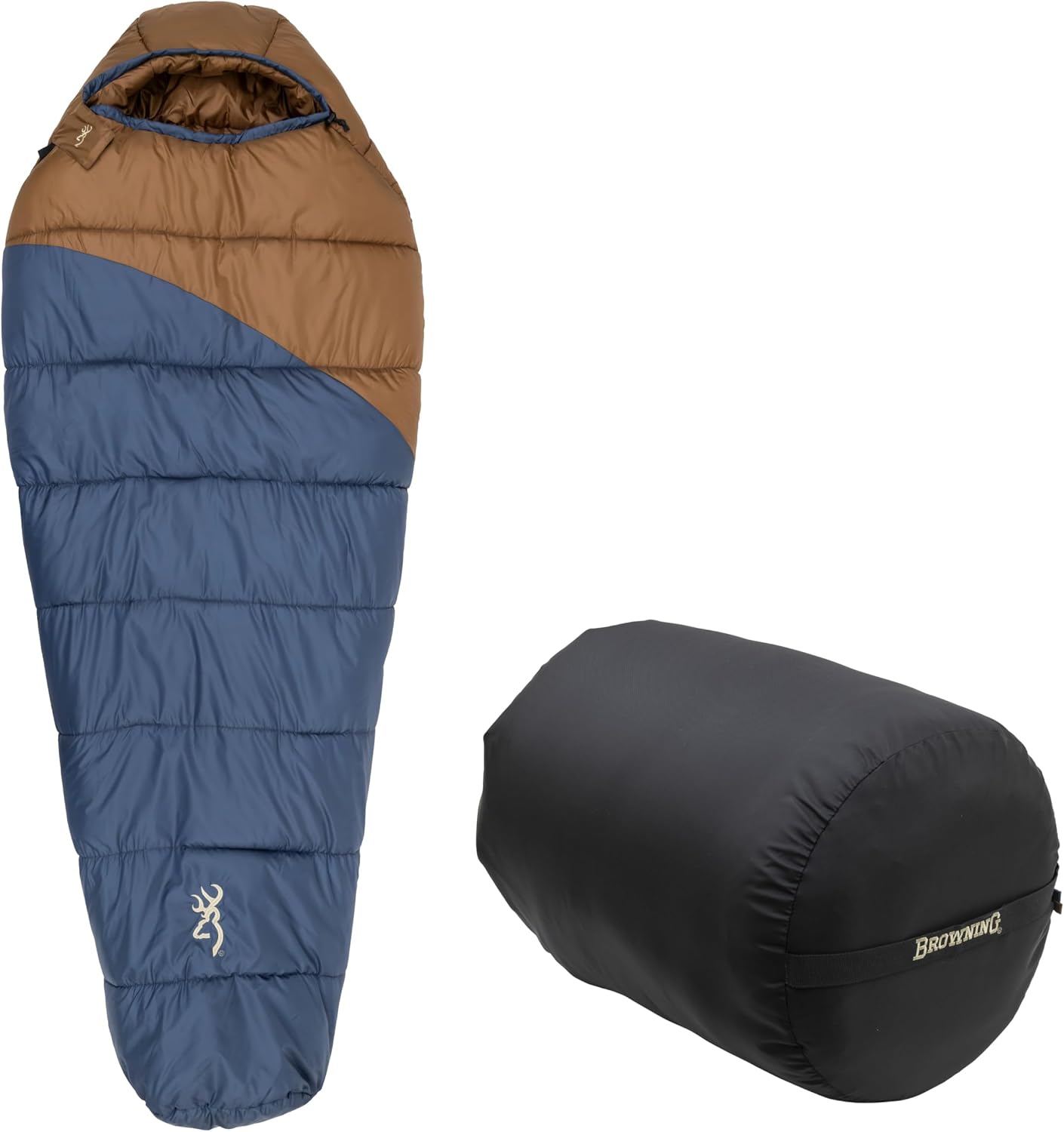
−20°F (≈ −29°C) synthetic mummy with the cold-weather details done right — draft collar and a full-length zipper baffle. The thinnest review evidence in the guide at the second-highest price.
Pros
- Draft collar + full-length zipper baffle: real winter-bag details that seal the cold out.
- TechLoft Silver synthetic fill with a water-resistant shell.
- Dual zippers for venting on milder nights.
Cons
- Thinnest evidence in the guide: only 2 ratings.
- $175 is steep for that evidence level.
- Packed size not published.
- Rating
- −20°F (≈ −29°C)
- Fill
- TechLoft Silver synthetic (fill weight not published)
- Shape
- Mummy, 203 × 81 cm
- Weight
- 2.95 kg
- Price
- about C$175
Roomy alternative
Derby XXL −30°C heavy-duty sleeping bag
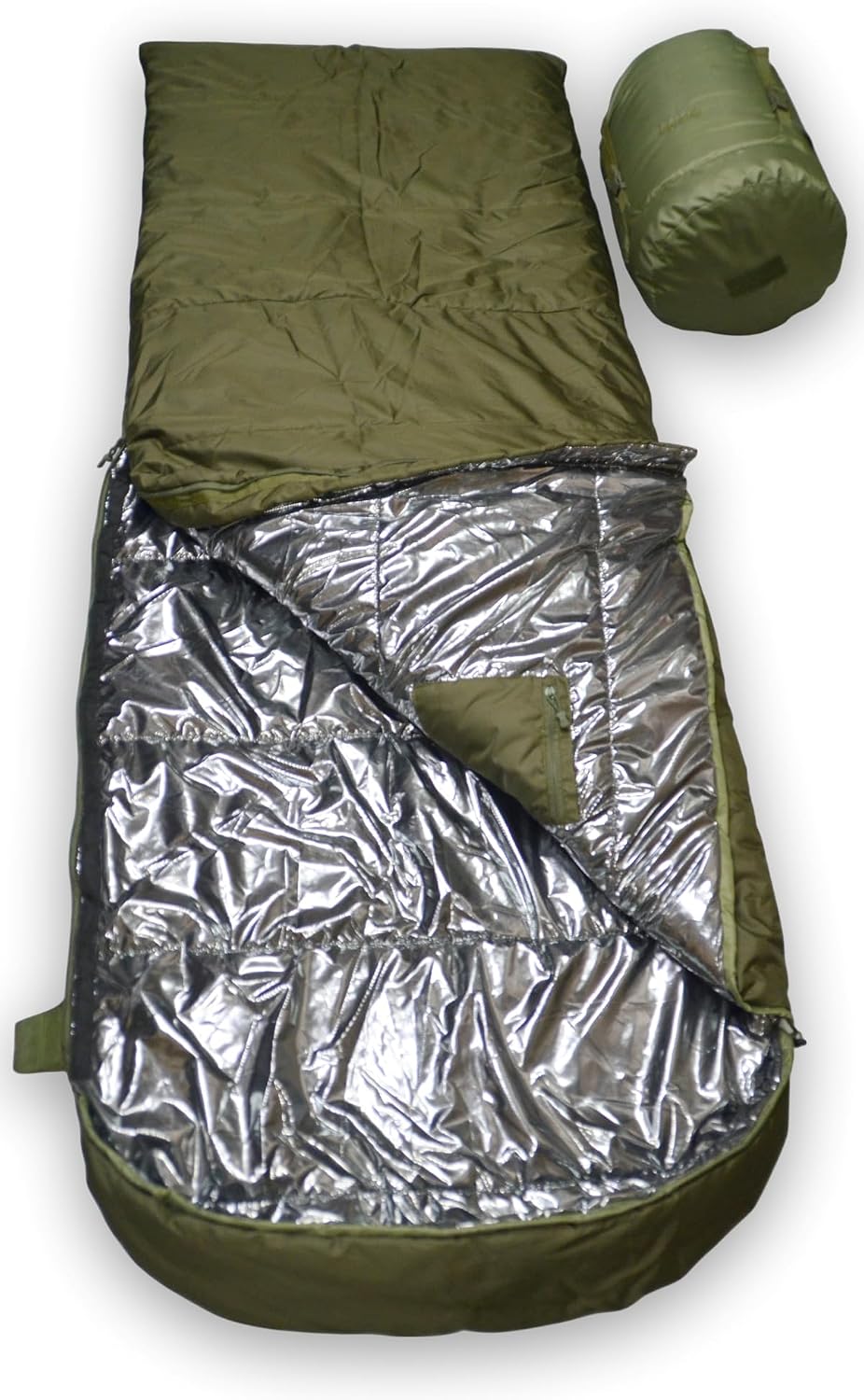
The warmest construction on paper — double-layer 400 g/m² synthetic plus a thermal-reflective lining — in an XXL rectangular cut for big, tall, or side sleepers. Rectangular, pricey, and essentially unreviewed.
Pros
- Warmest construction on paper: double-layer 400 g/m² synthetic plus a thermal-reflective lining.
- XXL 240 × 90 cm cut suits big, tall, and side sleepers.
- Waterproof Oxford shell with anti-snag two-way zipper.
Cons
- Rectangular, not a mummy: more dead air to heat all night.
- $269 — the most expensive pick here by far.
- Effectively unreviewed: 1 rating, no review text.
- Rating
- −30°C extreme / −20°F (≈ −29°C)
- Fill
- Double-layer 400 g/m² synthetic
- Shape
- Rectangular, 240 × 90 cm
- Weight
- 2.99 kg
- Price
- about C$269
At a glance
Three Bags at a Glance
| Spec | Yanes Yukon | Browning Discover | Derby XXL |
|---|---|---|---|
| Score | 15/20 | 13/20 | 12/20 |
| Rating | −30°C | −20°F (≈ −29°C) | −30°C |
| Fill | Synthetic | Synthetic | Double-layer synthetic |
| Shape | Mummy | Mummy | Rectangular |
| Weight | Conflicting listing | 2.95 kg | 2.99 kg |
| Price | about C$120 | about C$175 | about C$269 |
FAQ
Winter Sleeping Bag Questions, Answered
What temperature rating do I need for −30°C nights?
A bag rated to −30°C (limit) at minimum — and remember the comfort rating sits 10–15 degrees warmer, so expect to layer below about −20°C. In a wind-sheltered cab the rating stretches further than in a tent, and a heated blanket inside the bag covers the coldest nights.
Down or synthetic for a truck cab?
Synthetic, for most drivers. Breath condenses on cold cab walls and windows every winter night, and damp down loses its insulation. Synthetic keeps working wet, dries faster, and costs less — the practical choice for a bag that lives in the truck.
Can I just use blankets instead of a winter bag?
Blankets work until about −10°C, then drafts defeat them — every gap is a cold leak. A mummy bag seals around you. The veteran combo is a winter bag plus a blanket or two on top for the coldest nights, not blankets alone.
How should I store the bag between trips?
Uncompressed. Long-term compression crushes the loft that traps heat — that is what the big storage sack (not the stuff sack) is for. Stuff it tight for the road, then let it loft fully at home.
Will a winter bag fit a truck bunk?
Yes — bunks are wider than most backpacking pads, so any of these bags fits with room to spare. The constraint is usually the driver, not the bunk: if you are tall or broad, check the bag’s length and shoulder girth before buying.
How This Guide Was Made
Research-based. We did not test these hands-on. Scores come from published specs and driver reviews.
We compared synthetic winter sleeping bags sold on Amazon.ca using manufacturer specifications and published buyer-review aggregates as of September 2026, weighting published temperature ratings, draft protection, and hood design above marketing claims. Scores are our own, out of 20. Prices were approximate at research time — the Amazon link shows the current price.
Keep reading