Winter checklist
Winter Cab Comfort Checklist for Canadian Truck Drivers
A printable winter cab checklist: warm seating, cooler behaviour in the cold, 12V electrical safety, sleeper warmth, and the block-heater routine — built for Prairie winter.
Research-based. We did not test these hands-on. Scores come from published specs and driver reviews.
Updated September 2026
Free printable version: sign up for the weekly newsletter in the footer below and you’ll get this checklist as a free PDF right after you subscribe.
Winter reality
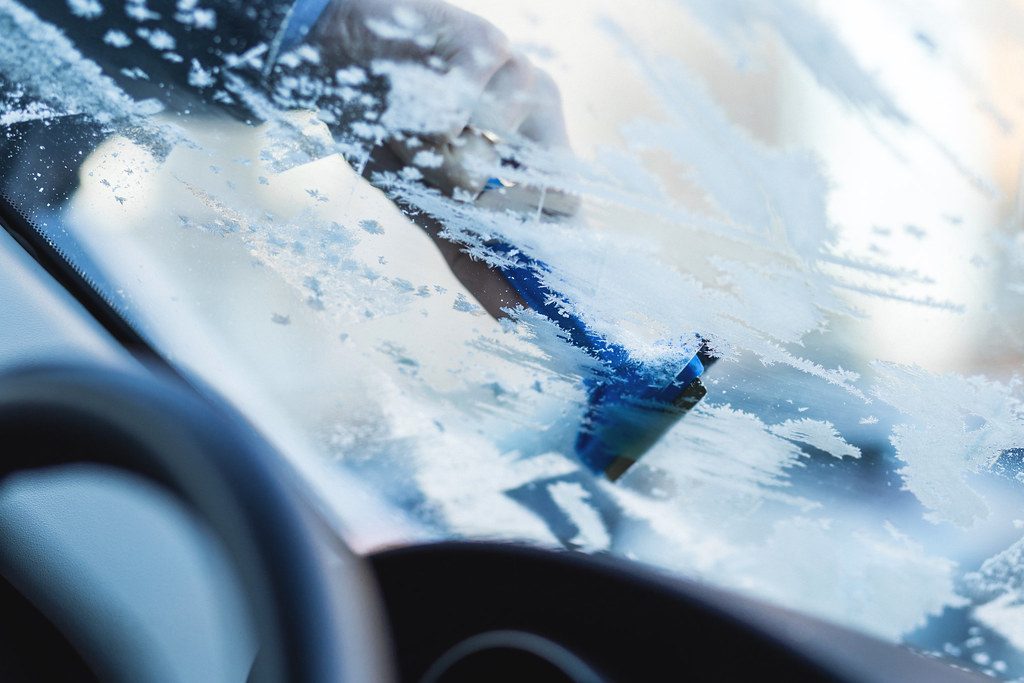
Run this checklist the week before the first −30°C night. Print it, keep it in the door pocket.
Key Takeaways
- Run it once, in October. Every item here is a service call in October and an emergency in January.
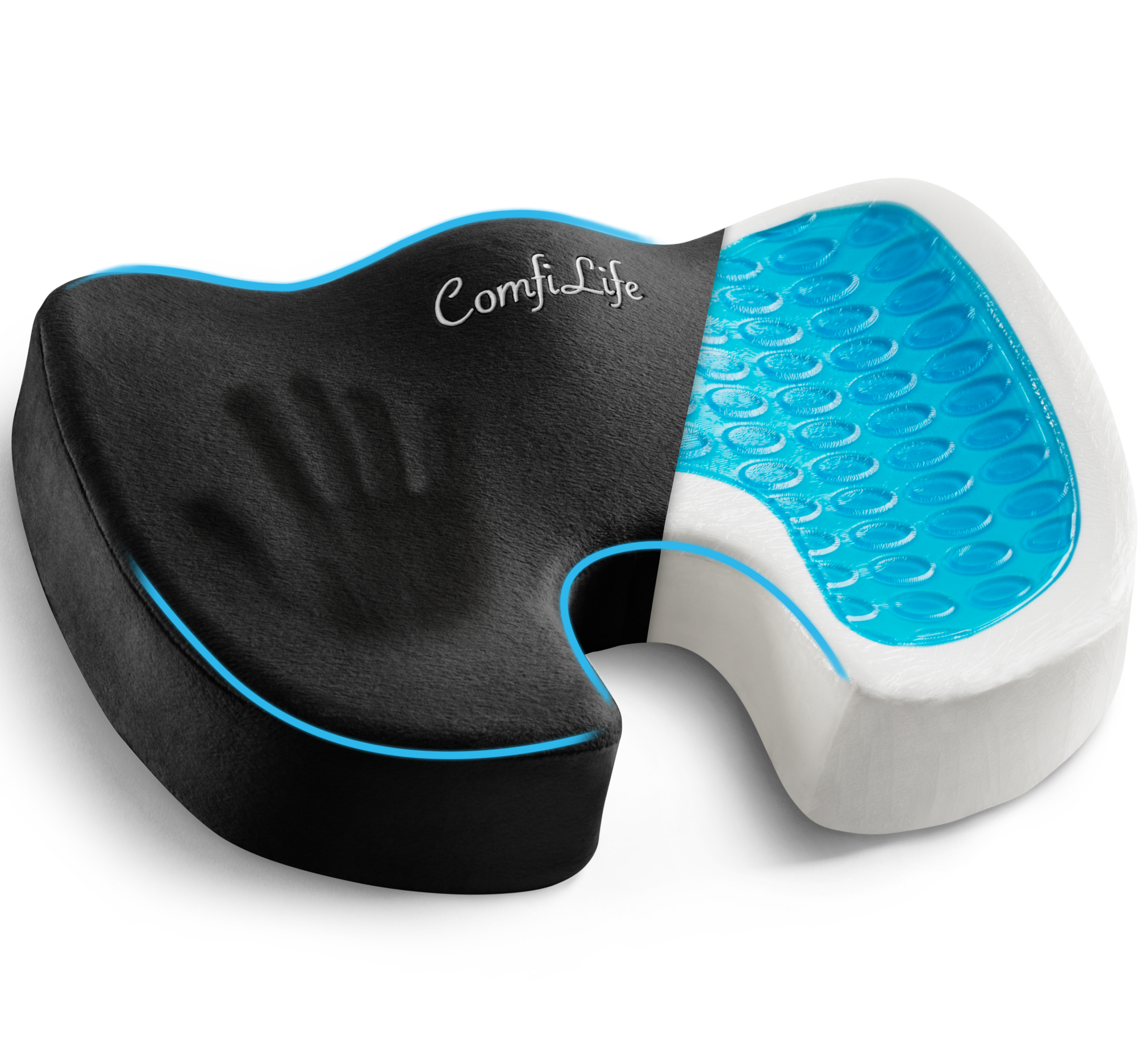
- Warm seating first. Gel-enhanced cushions stay flexible when plain foam turns to stone — the ComfiLife (15/20) is the best-cooling pick.
- Know your cooler type. Compressor fridges hold a set temperature in the cold; thermoelectric units need to come inside when the truck goes cold.
- Electrical safety is winter safety. Reseat every 12V plug, inspect cords for cracking, set the low-voltage cutoff before the first cold snap, and never daisy-chain heaters.
- Comfort is a system. Warm seating, a cooler that holds temperature, solid 12V connections, a working bunk heater, and a truck that starts.
Checklist
Warm Seating
- ✓ Seat cushion that doesn’t turn to stone. Foam cushions firm up in the cold; a gel-enhanced cushion like the ComfiLife (15/20, our best-cooling pick) stays more flexible when the cab is cold. See best seat cushions for truck drivers.
- ✓ Check your air-ride seat heat (if equipped). If your seat heater barely warms by November, it’s not going to fix itself by January. Get it serviced before the deep cold — or skip the shop visit with a heated seat cushion.
- ✓ Keep a warm blanket in the cab, not the trailer. For the passenger-seat naps and the emergency pull-over.
- ✓ Dress the seat, not just yourself. A cold leather or vinyl seat steals body heat for the first twenty minutes of every shift. A cushion is the buffer.
Checklist
Cooler Behaviour in the Cold
- ✓ Know your cooler type. Thermoelectric coolers cool relative to ambient air — in a warm sleeper they’ll freeze your drinks (no thermostat). Compressor fridges hold a set temperature regardless. If you run the Prairies year-round, the compressor earns its price in winter alone — see how each type behaves at −40°C.
- ✓ Keep the cooler in the sleeper. It’s the warmest, most stable part of the truck. Never leave a cooler in an unheated cab or exterior compartment at −30°C — electronics and plastics don’t survive it well.
- ✓ Pre-chill before you roll. Load already-cold drinks from the house so the compressor barely works on day one.
- ✓ Bring thermoelectric units inside when the truck goes cold overnight. (Full explanation in the 12V guide.)
Checklist
12V Electrical Safety in the Cold
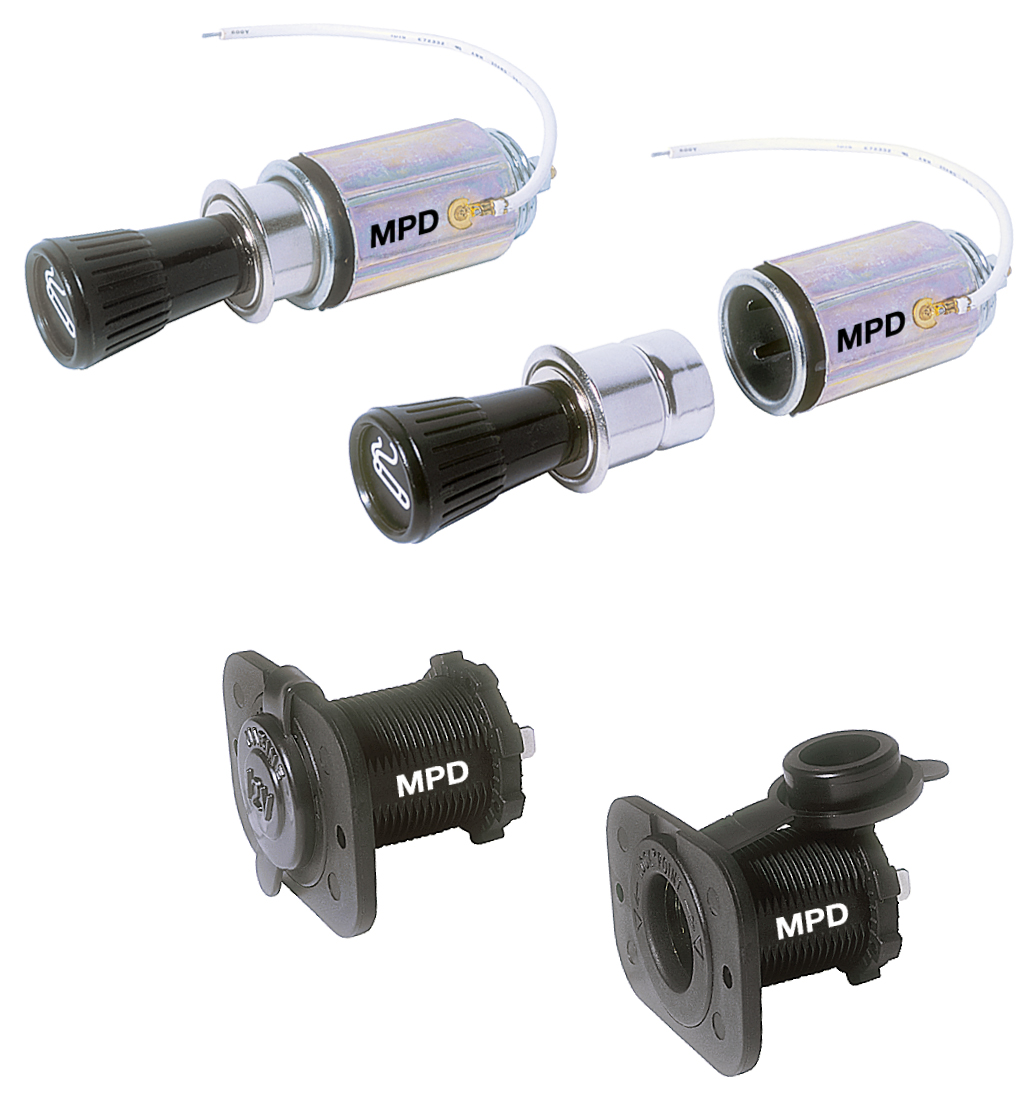
- ✓ Reseat every 12V plug the first week of cold weather. Cold makes plastic brittle and connections loose. A wobbling plug arcs — and an arcing plug melts sockets.
- ✓ Inspect cords for cracking. Stiff, cracked insulation on a cheap cord is a short circuit waiting for a pothole.
- ✓ Know your battery protection settings. Most compressor fridges have a low-voltage cut-off (high/medium/low). Set it to protect starting power before the first cold snap — a dead truck at −35°C is a safety issue, not an inconvenience.
- ✓ Don’t daisy-chain heaters. 12V electric blankets and seat heaters pull serious amps. One at a time, on a circuit you trust, and never unattended.
Checklist
Sleeper Warmth
- ✓ Test the bunk heater before you need it. Fire it up for a full night in October. A heater that dies in October is a service call; a heater that dies in January is an emergency.
- ✓ Seal the obvious leaks. Door seals, window seals, the gap where the curtains meet. A $10 tube of weatherstripping beats idling all night.
- ✓ Sleeping bag rated for the real number. Your summer bag is not your January bag. A −20°C-rated bag lives in the sleeper from November to March.
- ✓ Condensation plan. Warm sleeper + freezing cab = frost on everything by morning. Crack a vent, wipe down in the morning, and never store wet clothes in the sleeper.
Checklist
Block Heater and Cold-Start Routine
- ✓ Plug in below −15°C — and confirm the block heater actually works. A dead heater you discover at 4 a.m. in Grande Prairie is a very expensive lesson.
- ✓ Run it on a timer. A heavy-duty outdoor timer lets the block heater warm the engine for 2–3 hours before departure instead of burning power all night.
- ✓ Carry a spare extension cord rated for the cold. Cheap cords crack and fail exactly when you need them.
- ✓ Fuel anti-gel. Treat the tanks before the cold snap, not during. Know your fuel’s cloud point.
- ✓ Battery health check. Weak batteries that “got through last winter” will not get through this one. Load-test before November — and carry a portable jump starter for the morning the test was optimistic.
- ✓ Windshield: full washer fluid rated to −40°C, fresh wiper blades. Road spray in January is blinding without them.
The goal

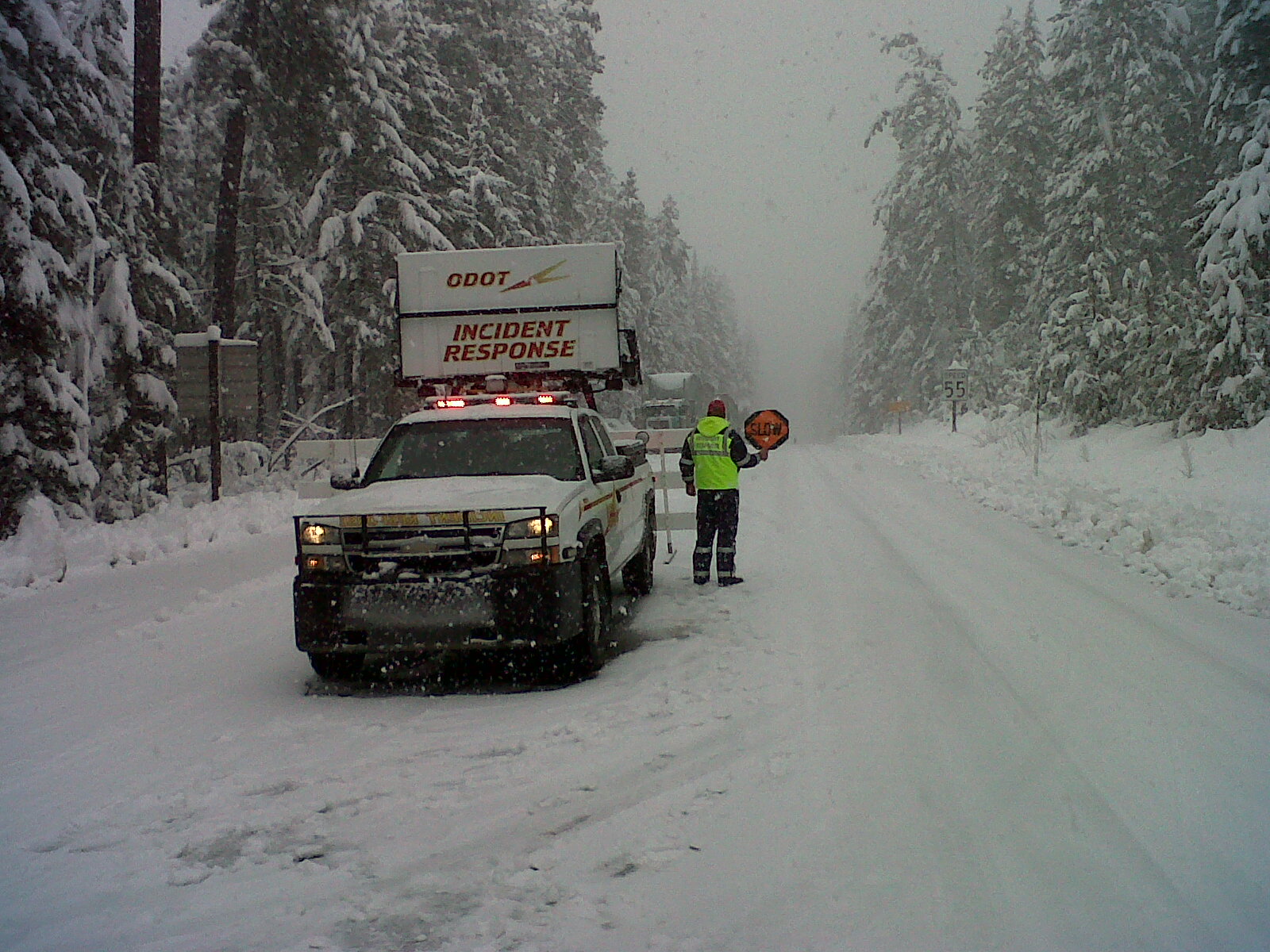
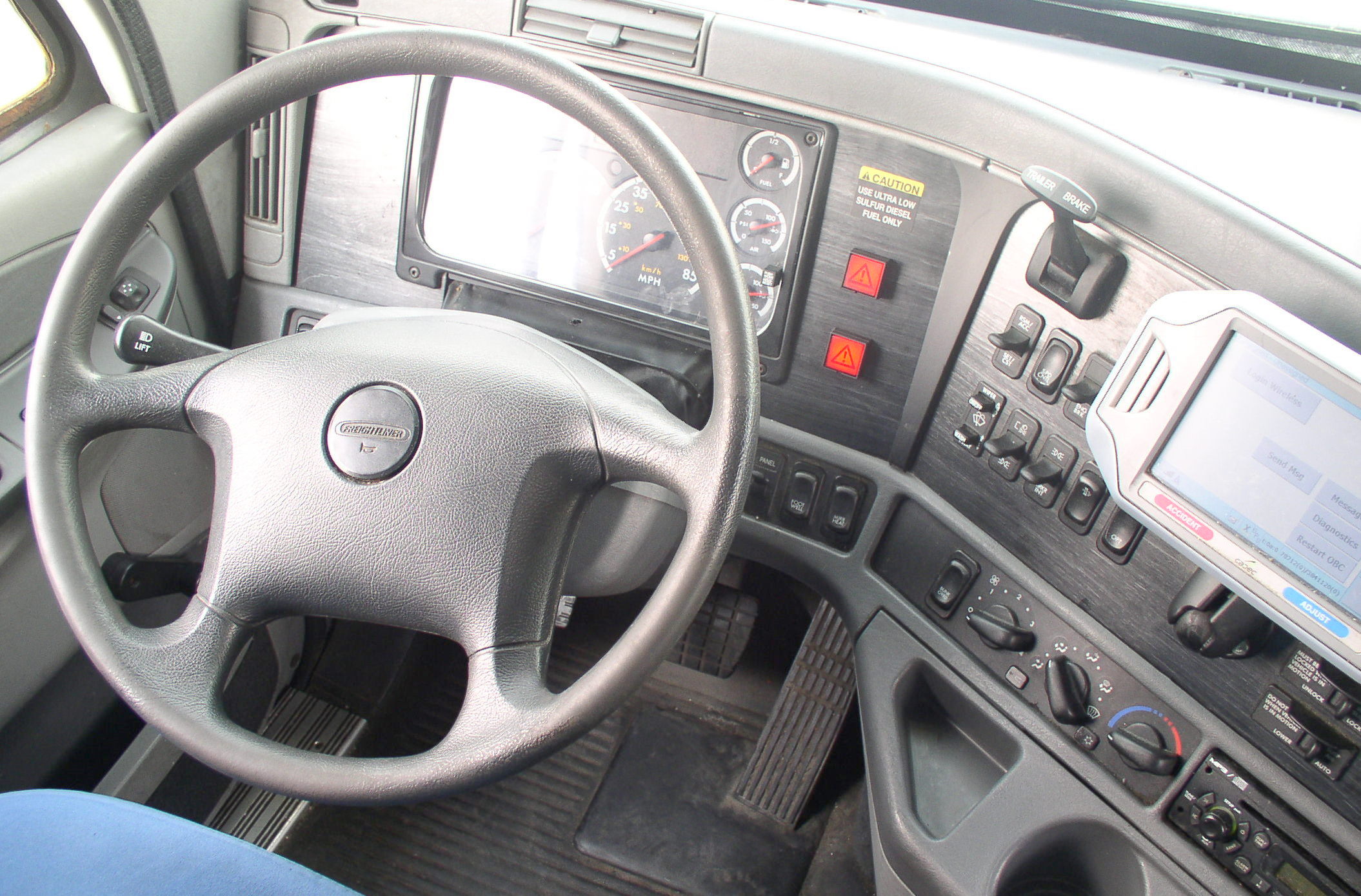
Photo: MSVG, CC BY 2.0, via Flickr.
Sitting 10 hours in the cold? Get the seat right first with best seat cushions for truck drivers and the posture guide. For power and battery setup, the 12V guide has you covered. Starting fresh? The new driver starter kit covers the full day-one setup, winter included.
Keep reading
Keep Reading
How We Score
Research-based. We did not test these hands-on. Scores come from published specs and driver reviews.
Every score is provisional and clearly labelled — when new data arrives, the score changes and we say so.